Cleaning and Filleting Panfish: Tools, Methods, and Storage
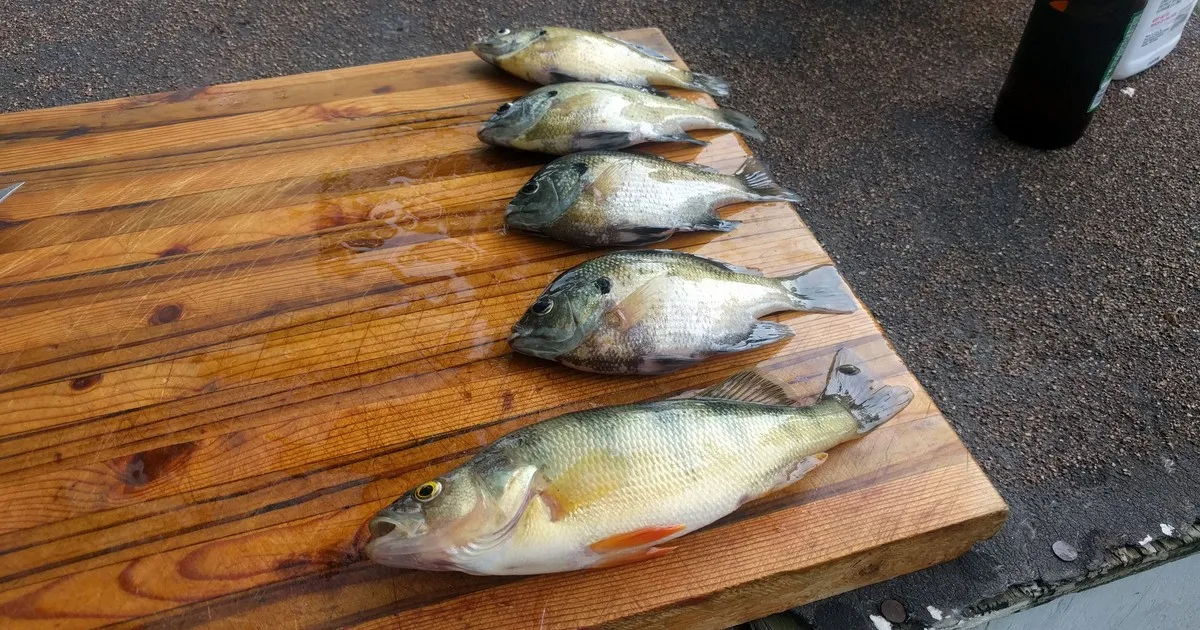
Clean panfish soon after harvest and the fry tastes better. This guide is a practical cleaning and filleting overview for bluegill, perch, and similar panfish — tools, two common methods, safety, and storage. It is not a substitute for hands-on practice; watch the knife and your fingers.
After cleaning: panfish fry, beer-battered perch, sides and leftover cakes. Handling before the kill bag: catch and release.
Tools
- Sharp flexible fillet knife (and a sharpener or stone)
- Cutting board that will not slip
- Scaler or spoon if you scale whole fish
- Gloves optional; paper towels and a hose or bucket
- Zip bags, ice, or a cooler for finished fillets
Method A: Scale, Gut, Cook Whole or Pan-Ready
- Scale from tail toward head under water or in a bag to control mess.
- Cut vent to chin; remove guts; scrape kidney line along the spine.
- Rinse cold; remove head if desired. Good for smaller bluegill fried bone-in.
Method B: Two-Fillet Breakdown (Common Table Method)
- Lay fish on its side. Cut behind the gill plate down to the backbone.
- Turn the blade flat and slice along the backbone toward the tail (feel ribs).
- Flip and repeat on the other side.
- Optional: remove rib bones with the tip of the knife; peel skin by tail-grip and sliding knife between skin and meat.
- Check for pin bones with fingertips; rinse briefly; pat dry before coating.
Perch note: Firm meat fillets cleanly; keep skin on for some fry styles if you prefer. Bluegill note: Smaller fish may be better cooked whole after scaling if filleting wastes too much meat.
Safety
- Cut away from your body; dry hands before knife work.
- Dull knives slip more than sharp ones — hone often.
- Keep raw fish cold; clean on ice in hot weather.
- Sanitize boards and knives after, especially if you switch between species.
Storage
- Refrigerator: use within 1–2 days for best quality.
- Freezer: pat dry, wrap tight or vacuum seal; label date. Aim to eat within 2–3 months for peak flavor.
- Do not freeze fish that sat warm in a bucket all afternoon — quality and safety both suffer.
Yield and Respect
Keep only what you will clean. A pile of uncleaned fish in the garage is wasted food and bad ethics. If the bite is red hot, raise your standards and release more — or stop and clean what you have.
Sharp knife, cold fish, clean board. Scale-and-gut for small bluegill, fillets for perch piles and big sunfish — then get the oil hot.


Post Comment