River Smallmouth Bass: Midwest Current, Seams, and Seasonal Tactics
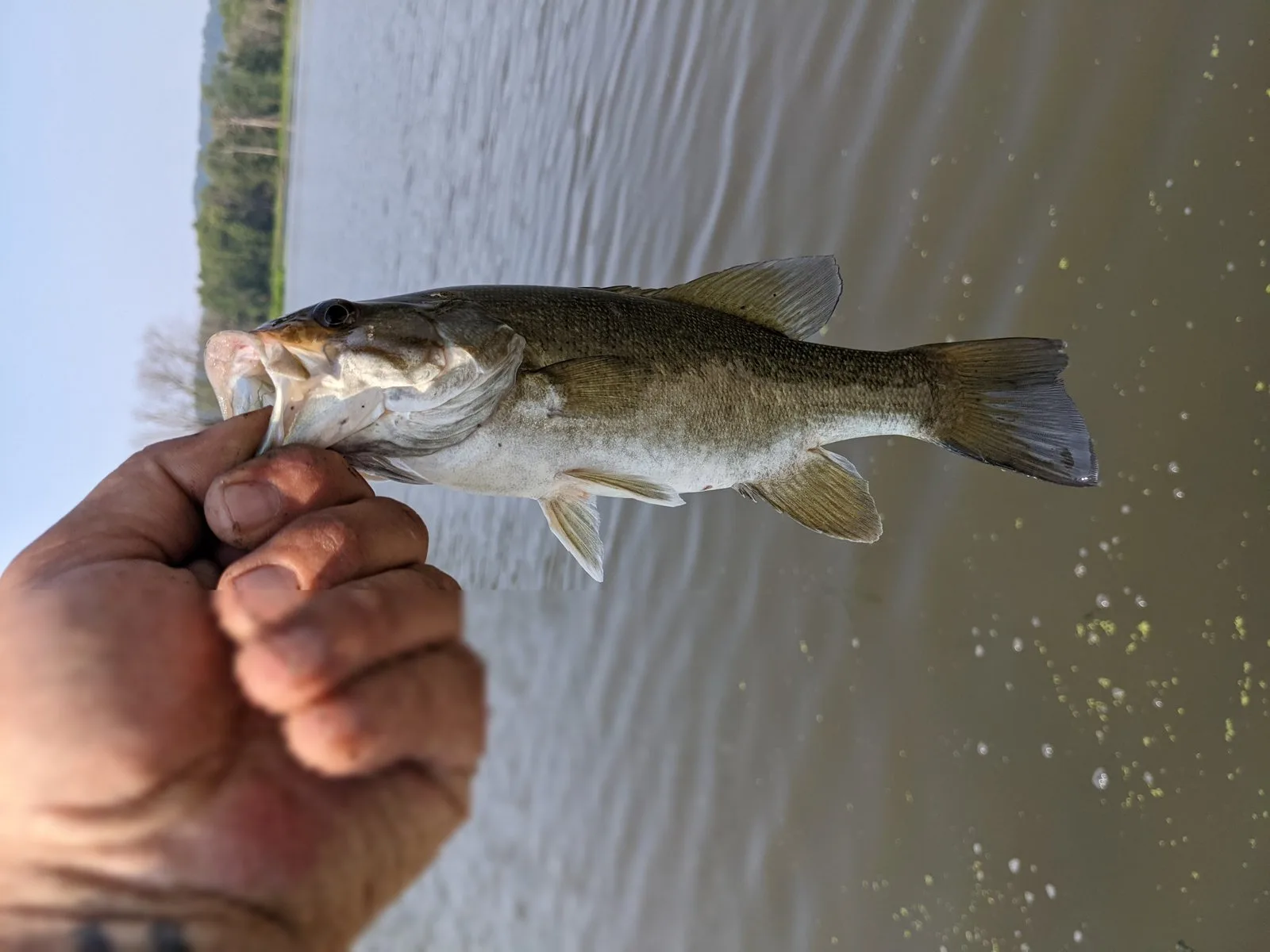
Midwest rivers are some of the best smallmouth bass water in the country — current seams, rock, wood, and bait that never stops moving. River bronzebacks fight harder than most lake fish of the same size, and you can cover productive water from a kayak, jon boat, or even quality bank access. This guide focuses on river smallmouth tactics: reading current, seasonal locations, and presentations that work from spring through fall.
For lake-oriented smallmouth basics, start with our smallmouth bass guide. Use this article when the water is moving. Weed edges and structure ideas also overlap our weedline tactics on flowages and backwaters.
How River Smallmouth Use Current
Smallmouth rarely sit in the hardest current all day. They hold where they can rest and still ambush bait: seams, eddies, rock edges, and the soft side of a wing dam or bridge piling. Your job is to put a bait in that strike zone long enough for a reaction — not to drag it through the heaviest water at full speed.
- Seam: Line between fast and slow water — fish the soft side and the edge.
- Eddy: Reverse or slack water behind rock, wood, or a point — cast upstream and swing through.
- Current break: Any object that creates a pocket — boulders, laydowns, bridge abutments.
- Depth change: Cuts, holes, and channel edges hold fish in heat and cold.
Seasonal River Patterns
Spring
As water warms, smallmouth move from winter holes toward spawning gravel and rock in slower, protected stretches. Pre-spawn fish stage on the first breaks outside spawning areas. Rising dirty water after rain can push fish shallow to the banks — a great time for spinnerbaits and chatter-style baits where legal and appropriate.
Summer
Early and late, fish riffles, pocket water, and shade. Mid-day, look deeper in holes and along shaded banks. Topwater in low light is classic Midwest river fun. During bright sun, downsize and fish soft plastics slower through seams.
Fall
Fish feed up. Bluff banks, main-channel rock, and deeper seams produce. Crankbaits, swimbaits, and jigs match baitfish size. Fall is also when a bigger bite shows up more often — do not be afraid to upsize.
Water level and clarity
Rising water often moves fish shallow. Falling water pulls them to channels and deeper rock. Stained water: louder, larger profiles. Clear water: longer casts, lighter line, more natural colors. Always respect flood conditions — if the river is dangerous, stay off it.
Core Presentations
Ned rig and small jigs
A Ned rig or 1/8–1/4 oz jig with a soft plastic is deadly in current. Cast upstream of the target, keep a semi-tight line, and let the bait tick rock through the zone. Most bites feel like weight or a soft thump — set when in doubt.
Tubes and soft craws
Hop and drag on gravel and rock. Great for fish glued to bottom in cooler water or after a front.
Crankbaits and spinnerbaits
Squarebills and medium divers cover banks and rock when fish are active. Spinnerbaits shine in stained water and around wood. Match retrieve speed to current so the bait works, not flails.
Topwater
Walking baits, poppers, and small props at dawn, dusk, and overcast days. Cast past the seam, walk it across the soft edge, and be ready — river smallmouth often crush on the pause.
Soft swimbaits
Steady retrieve through seams and along bluffs. Excellent search bait when you need to cover water between high-percentage spots.
Bank, Kayak, and Boat Notes
- Bank: Focus on bridges, park access, rocky bends, and below dams where legal and safe. Watch for private property and restricted zones.
- Kayak: Ideal for rivers. Ferry across current, anchor or stake out on seams, and fish methodically downstream stretches.
- Jon boat: Use enough motor or oar control to hold position. A shallow-water anchor helps on productive holes.
Gear That Handles Current
- Medium-light to medium spinning or casting rods, 6’6″–7’2″
- 8–12 lb fluoro or braid with a fluoro leader for abrasion
- Assorted jig heads, Ned weights, hooks for soft plastics
- Quality pliers, net, and polarized glasses
- PFD on moving water — non-negotiable for many Midwest rivers
Reading a Stretch Quickly
- Pick a visible seam or rock pile.
- Make 5–10 casts with a search bait (spinnerbait, swimbait, or crank).
- If you get short strikes or follows, slow down with a Ned or tube on the same water.
- If nothing happens, move to the next bend — rivers reward coverage more than camping on dead water.
Ethics and Regulations
Know slot limits and seasonal rules for your river system. Handle smallmouth with wet hands, support the body for photos, and release fish that will fight another day. Avoid trampling spawning gravel in spring. Pack out what you pack in — river access stays open when anglers treat it well.
Tie-Ins to Lake Fishing
River skills transfer to lake points and wind-blown rock: current (or wind current) positions fish on the soft side of structure. If you only fish lakes, a few river trips will make you better at reading any edge. Cross-train with our smallmouth guide and fall walleye tactics for more structure thinking.
Midwest river smallmouth are about current, rock, and relentless casting. Fish the soft side of the seam, match bait to water clarity, and keep moving until you find the bend that is loaded. When you do, slow down — and enjoy the fight.

Post Comment