Kayak Fishing Midwest Lakes: Safety, Wind, and How to Fish from a Paddle Craft
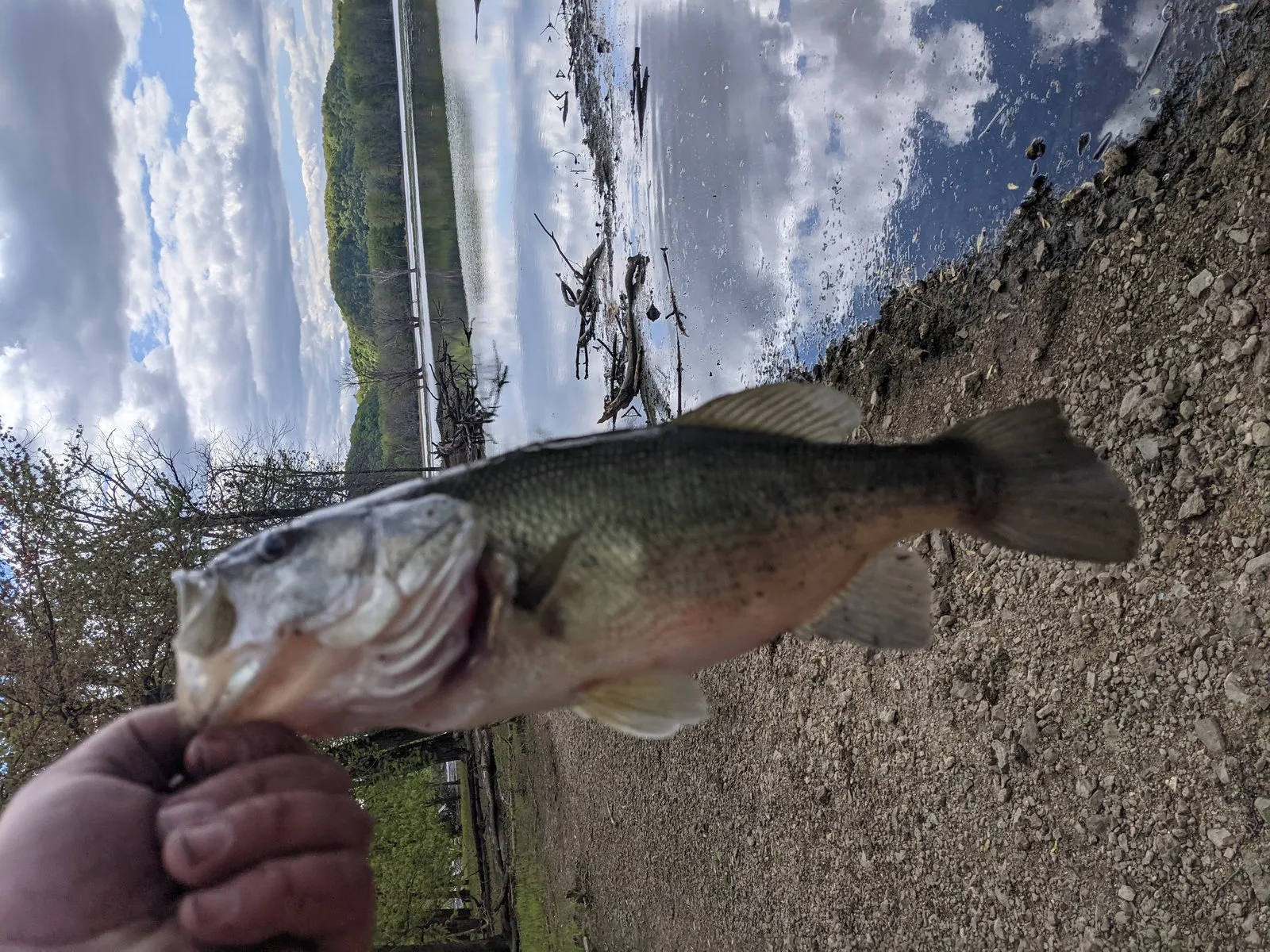
A kayak opens Midwest lakes that are hard to fish from shore and expensive to run with a big boat. You can slip into weed pockets, sit on a smallmouth rock pile, or drift a panfish edge with almost no draft. This guide covers kayak fishing Midwest lakes: safety, wind, launches, and how to fish panfish and bass from a paddle craft.
Tactics still matter more than the boat. Use slip bobbers, weedlines, smallmouth, and river smallmouth once you are on the water safely.
Why Kayaks Fit Midwest Lakes
- Access to shallow weeds, back bays, and quiet launches
- Low cost and simple storage compared to a full boat rig
- Quiet approach on pressured panfish and bass water
- Works on lakes, flowages, and many rivers (with extra current skill)
Safety and Wind (Read This Twice)
- PFD on, always. Wear it; do not sit on it.
- Respect wind. Midwest lakes stand up fast. If whitecaps are building and you are in a recreational kayak, stay near shore or do not launch.
- File a plan. Tell someone where you launch and when you will return.
- Whistle, light, phone in a dry bag. Know the weather forecast before you leave the ramp.
- Cold water kills. Spring and fall immersion is an emergency — dress for the water temp, not the air.
- Leashes. Paddle and critical gear leashed so a flip does not end the day — or worse.
Choosing a Fishing Kayak Setup
- Stability first: Wider fishing kayaks trade speed for a stand-friendly or calm casting platform.
- Sit-on-top vs sit-in: Sit-on-tops drain and are common for fishing; dress for spray.
- Propulsion: Paddle is fine; pedals help hold position in light wind. Know your range before you chase a far shoreline.
- Anchor or stake-out pole: Essential for slip-bobber and dock work on windy days.
- Rod management: Rod holders and a simple crate beat a tangled pile in the cockpit.
Launches and Logistics
Use public ramps, carry-in accesses, and quiet parks where kayaks are allowed. Arrive with the kayak ready: PFD on, rods stowed for the walk to water, cart if the hike is long. On busy ramps, stage gear out of the truck lanes and launch quickly. Check for motor-only rules or horsepower limits that still allow paddle craft.
How to Fish from a Kayak
Panfish
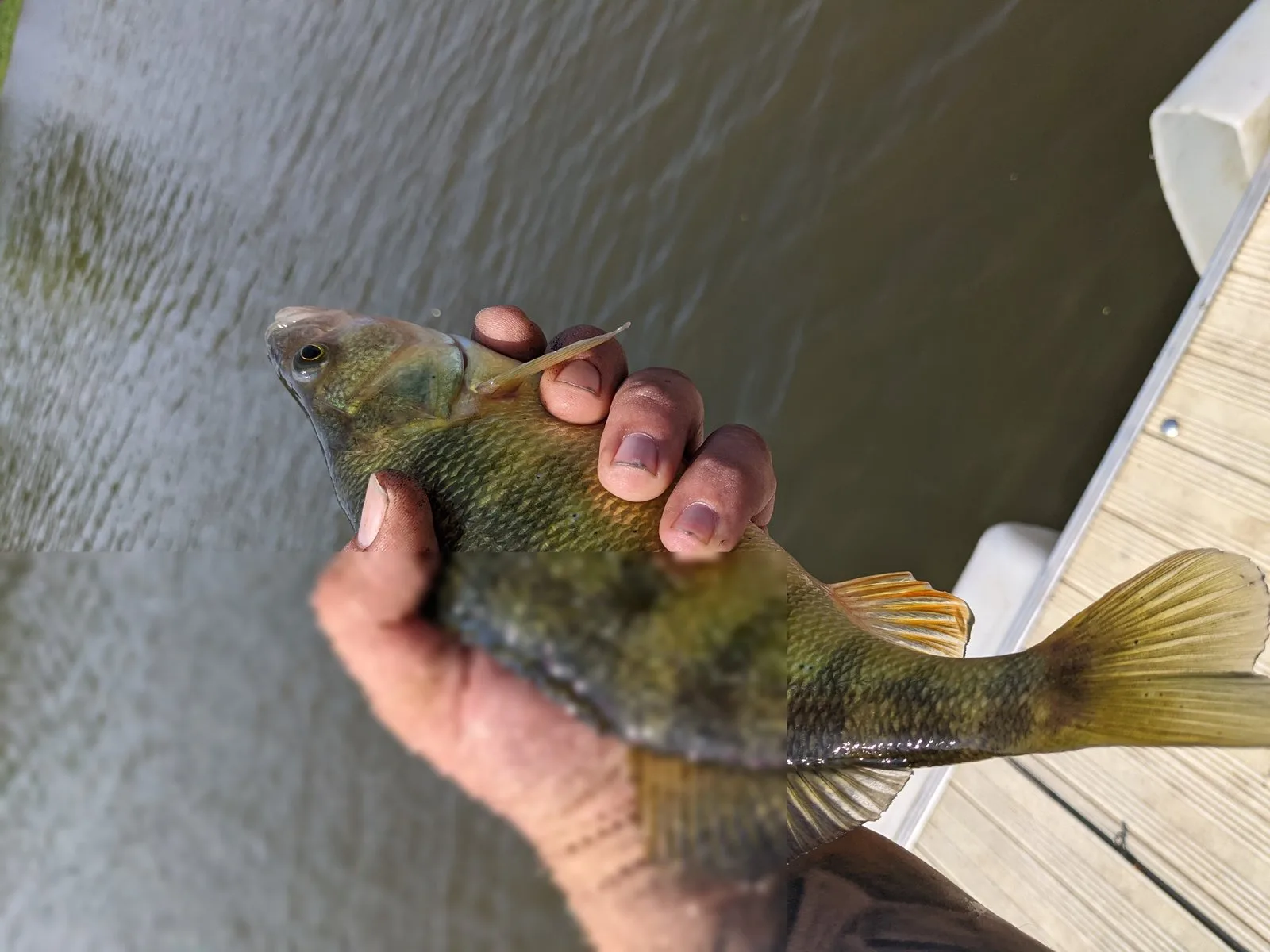
Drift or slowly paddle weedlines and dock lines. Anchor when you find fish and pick them apart with a slip bobber or small jig. Mobility is your advantage — cover water until the flasher or bites say stop. See slip-bobber panfish and weedline tactics.
Bass
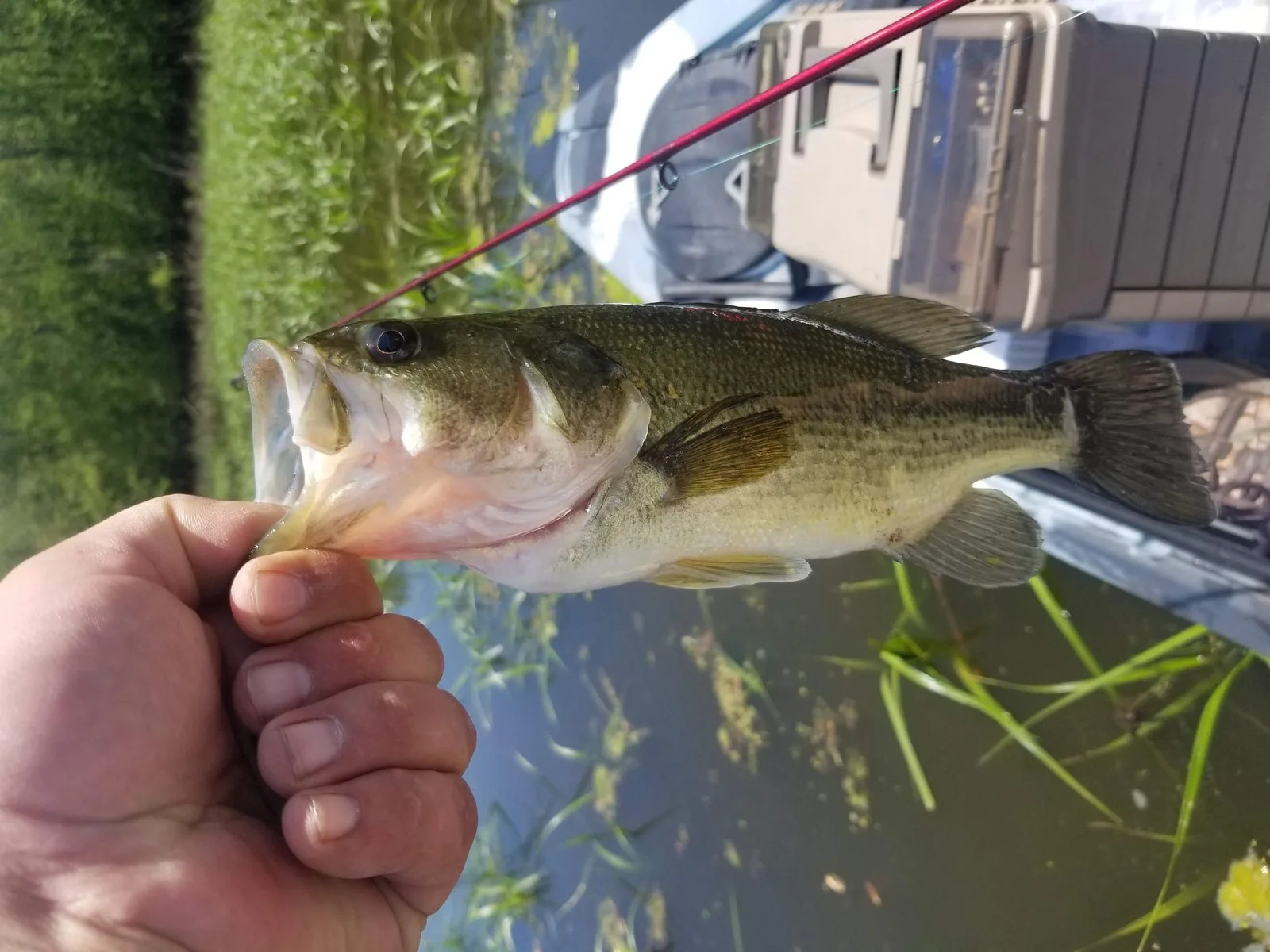
Cast parallel to weed edges, rock, and wood. A kayak lets you stay farther from the target than wading. For smallmouth on lakes, work wind-blown rock and points; for rivers, review river smallmouth tactics before you mix current with a paddle craft.
Positioning
- Anchor above the spot and cast downwind or down-current when you can.
- Use short drifts along a weed edge, then paddle back up and repeat.
- Keep the stronger wind at a manageable angle — beam seas are tiring and wet.
Minimal Kayak Fishing Kit
- PFD, whistle, dry bag, charged phone
- Paddle + leash; spare paddle if you have room
- Anchor system or stake-out pole
- One or two rods ready; extras stowed
- Small tackle bag (not your entire garage)
- Net with a short handle, pliers, sunscreen, water
- Headlamp if there is any chance you return late
Electronics
A small fish finder helps mark weeds, depth, and schools. Mount it where you can see it without standing. On clear shallow water, polarized glasses and good casting often beat staring at a screen. Keep batteries charged; cold weather drains them faster.
Weather Calls
Lightning: off the water immediately. Fog: if you cannot see shore references, stay in. Bluebird high pressure after a front can slow fishing — still fishable, just slower presentations (same ideas as barometric pressure). Build trips around wind forecasts as much as bite forecasts.
Etiquette
- Give bank anglers and other boats room.
- Do not block ramps or swim beaches.
- Quiet paddling near people fishing docks and points.
- Pack out every scrap of mono and plastic.
Kayak fishing in the Midwest is less about fancy gear and more about wind sense, a tight kit, and fishing the same edges you would from any boat — just closer and quieter. Wear the PFD, respect the weather, and the lakes open up.

Post Comment