Electronics for Panfish: Flashers, Sonar, and How to Fish What You See
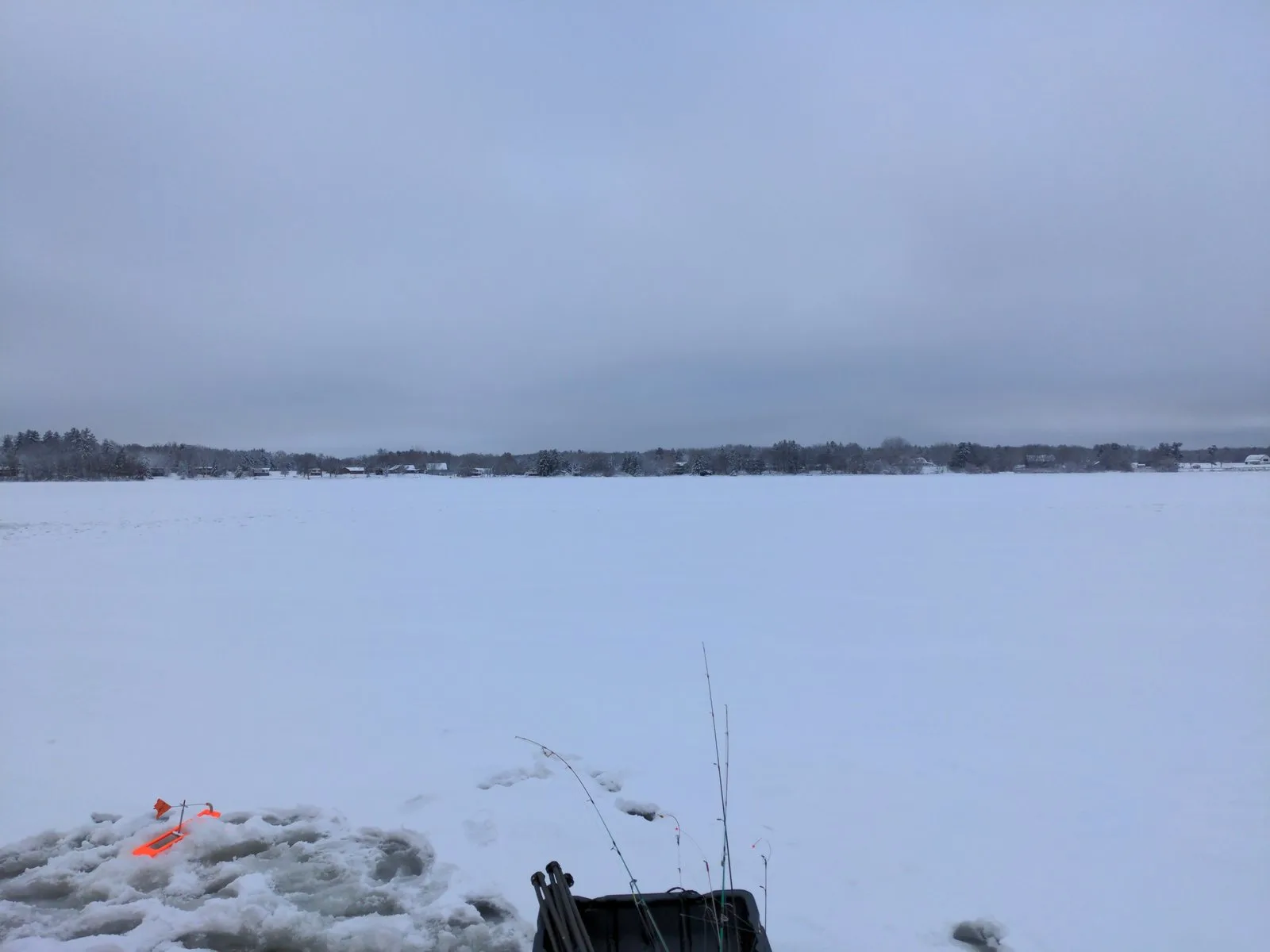
You can catch panfish without a screen — but a flasher or small sonar turns guessing into a short experiment. This guide covers electronics for Midwest panfish on ice and open water: what to buy first, how to read marks, and how to fish what you see. Pair it with early ice, late ice, and slip-bobber tactics.
What You Actually Need
- Ice flasher or castable sonar: Shows depth, bottom hardness cues, weeds, and fish arches/marks in real time.
- Transducer placement: On ice, in the hole (or pucked); in a boat/kayak, on a transducer arm or scupper mount.
- Power: Charged battery; cold drains power — keep a spare or warm pack on long trips.
- Optional map chip / GPS: Nice for big water; not required for farm ponds and small lakes.
Start simple. A basic flasher used well beats a fancy unit you never learn.
Ice: Reading the Flasher
- Bottom line: Thick or double returns can mean hard bottom; soft mud reads differently — learn your unit on known spots.
- Weeds: Clutter above bottom; fish often sit on top of green weeds early and late ice.
- Fish marks: Blips or arcs between surface and bottom. Watch if they rise to your bait.
- Your jig: You should see your lure. If not, zoom, gain, or color palette until you do.
How to fish marks
- Drop to the fish, not through them — stop a foot above and work down.
- If they rise and stall, pause, downsize, or deadstick.
- If they ignore everything, move. Electronics prove empty water faster than hope.
- No marks in a “famous” hole? Drill a new grid — see early-ice mobility.
Open Water: Small Graphs and Castable Units
On a boat or kayak, a small fish finder marks weed edges, depth breaks, and suspended crappie. Castable sonar (phone-linked or dedicated) helps from a dock, kayak, or bank when you cannot mount a full unit — see kayak fishing Midwest lakes.
- Mark the deep weed edge, then fish parallel — weedline tactics.
- For slip bobbers, use depth from the graph to set the stop knot the first time; adjust by bites after that.
- Do not stare at the screen while your float disappears — glance, then fish.
Gain, Zoom, and Noise
- Too much gain = clutter; too little = missing your jig. Adjust until the lure is clear.
- Zoom a window around the depth fish are using so small moves are obvious.
- Interference from other units is common on busy ice — shift frequency if your unit allows.
Without Electronics
Count-down jigs, feel weeds on the drop, and keep a simple depth notebook. Polarized glasses help open water. Electronics are a tool, not a requirement — especially on farm ponds.
Ethics and Etiquette
- Do not drill on top of someone else’s transducer cable or crowd a hole to “share” their marks.
- On small lakes, give bank and kayak anglers space.
- Pack out batteries and broken transducers — leave no trash.
Learn to see your jig, watch how fish react, and move when the screen is empty. That loop — mark, present, adjust, or leave — is the whole point of panfish electronics.

Post Comment