Farm Pond Fishing in the Midwest: Bluegill, Bass, and Simple Multi-Species Tactics
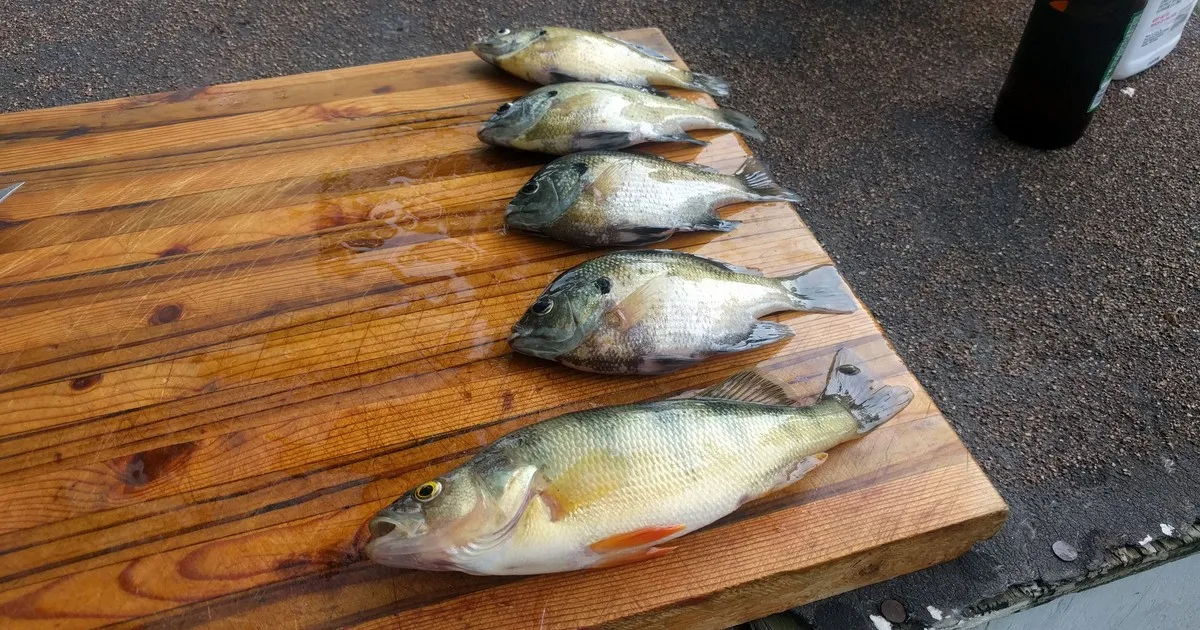
Midwest farm ponds and small private or community lakes are where a lot of us learned to fish — and they still produce excellent bluegill, bass, catfish, and the occasional crappie or perch. You do not need a big boat or electronics. You need permission where required, light tackle, and a simple plan for how small waters work.
This guide is farm-pond multi-species tactics with a bluegill focus. Go deeper on species with our bluegill guide, slip-bobber tactics, bank pole catfish, and Beetle Spin guide.
Permission, Access, and Respect
- Always get landowner permission on private ponds. Leave gates as you found them.
- Pack out trash — including mono and bait containers.
- Ask before keeping fish; many ponds are managed carefully.
- Park where you are told; do not block farm lanes or cattle.
How Small Ponds Are Built (Fish-Holding Spots)
- Dam face and overflow: Often the deepest water; summer and winter refuge.
- Weed edges and pads: Bluegill and bass food shelves — fish the edge, not only the open middle.
- Inlets and feeder ditches: After rain, bait and oxygen; catfish cruise these.
- Docks, tires, brush: Shade and ambush cover for bass and big bluegill.
- Windward bank: Wind stacks plankton and bait; often the better shore.
Bluegill: The Main Event
Most farm ponds are bluegill factories. Spring beds in shallow flats, summer deep weed edges and dam faces, fall anywhere bait concentrates. Keep baits small. A slip bobber or a Beetle Spin will catch fish all season if you match depth to where fish sit.
- Ultralight rod, 4 lb line, #8–#10 hooks
- Redworms, waxworms, or tiny jigs
- Target shade mid-day in summer; beds in spring
- Sort fish: keep medium eaters if allowed; release giants if the owner wants breeders
Full location and setup detail: bluegill complete guide.
Bass in Ponds
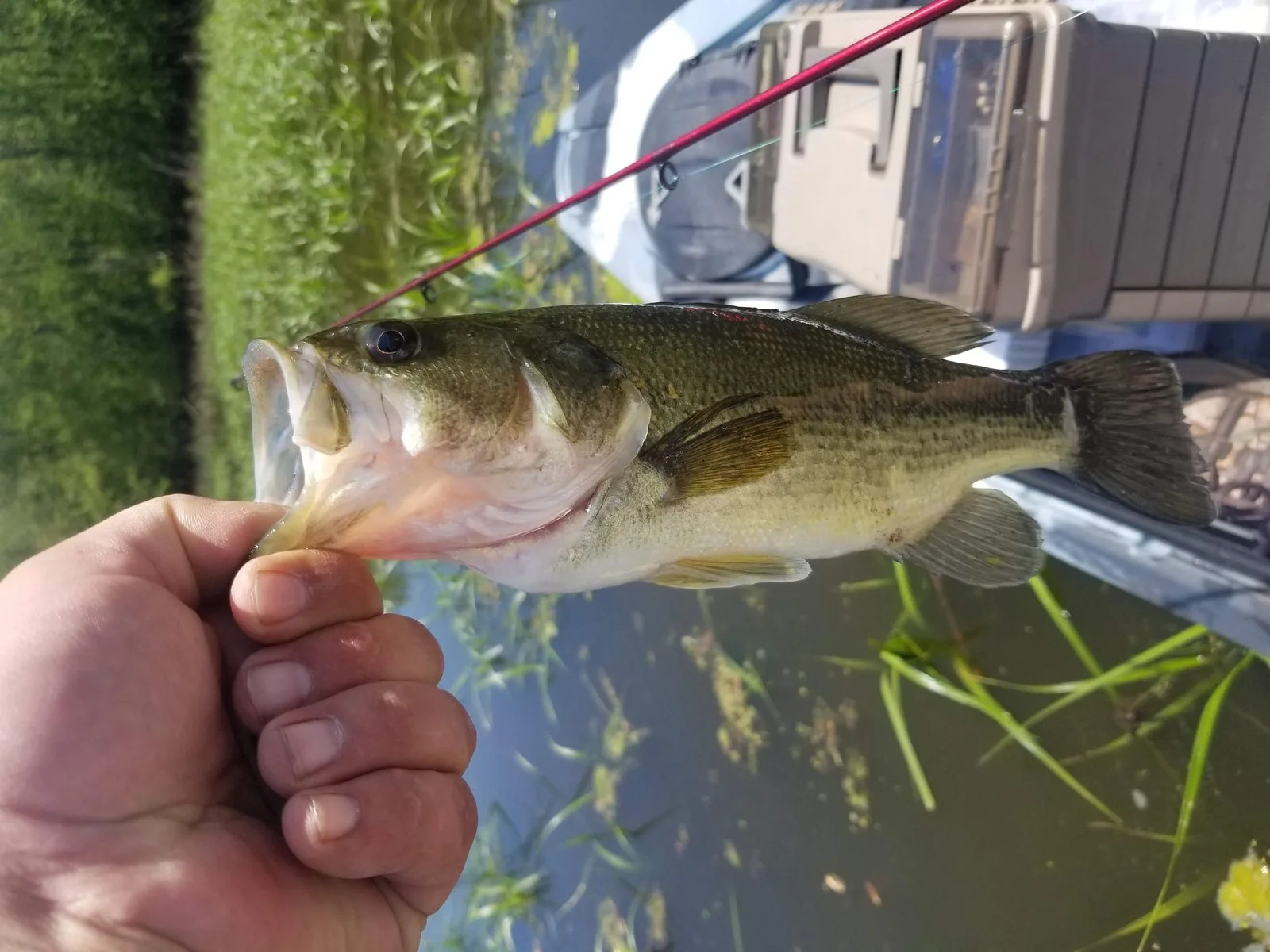
Pond bass eat bluegill. They use the same weed edges and docks. Soft plastics, small spinnerbaits, and topwater at dawn work. If bluegill are stunted, the pond may be bass-heavy — ask the owner about harvest goals. Weed-edge ideas from our weedline article still apply on a smaller scale.
Catfish
Channel cats show up in many stocked ponds. Night or low light, cut bait or worms near the dam and inlets. On private water, confirm whether setlines or bank poles are OK — techniques in our bank pole guide.
Simple Pond Game Plan
- Walk the bank and note wind, weeds, and deep water (dam).
- Start with a search bait (Beetle Spin or small spinner) along edges.
- When you find bluegill, slow down with a slip bobber or tiny jig.
- Hit docks and shade mid-day; fish open beds morning and evening in spring.
- Leave time for the dam face if the shallows are quiet.
Gear: Keep It Light
- One ultralight setup for panfish
- One medium rod if you want bass or cats the same trip
- Small tackle box: hooks, shot, floats, a few jigs and spinners
- Polarized glasses, pliers, stringer or basket only if harvest is approved
- Water, sunscreen, and boots that can handle mud
Weather on Small Water
Ponds heat and cool fast. After cold nights, fish deeper or slower until the sun warms the shallows. Overcast and light rain can be excellent — same idea as rainy-day panfish. Severe storms on open farm country are dangerous; watch the sky.
Pond to Table
Fresh pond bluegill are hard to beat. Clean soon after harvest and fry simple: classic Midwest panfish fry.
Farm ponds reward simple fishing done carefully: permission first, light line, edges over open water, and enough mobility to walk the bank. Master the pond and every larger lake gets easier.

Post Comment