Early Ice Panfish: First-Ice Tactics for Bluegill, Crappie, and Perch
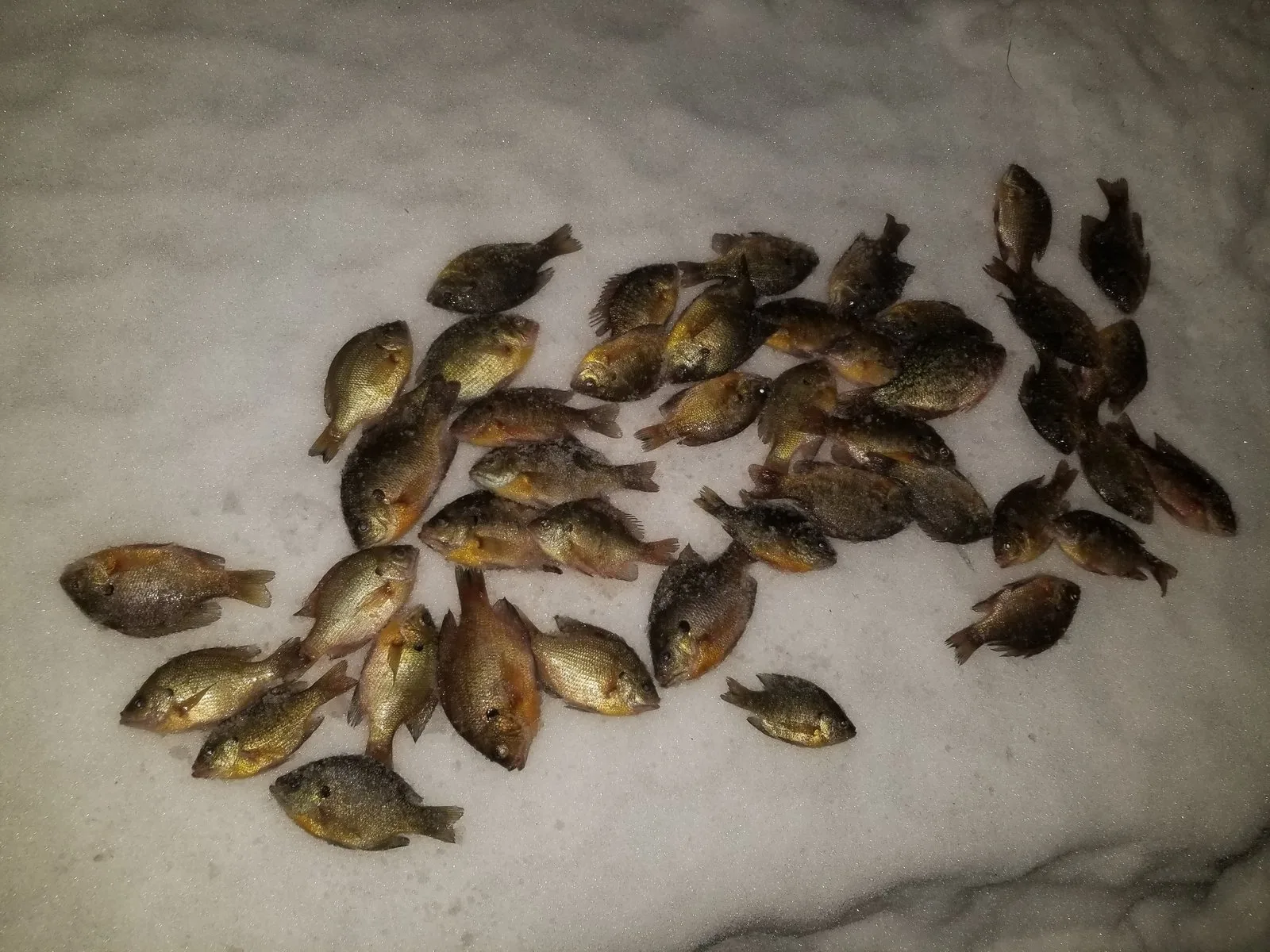
Early ice is the window many Midwest panfish anglers wait for all year. The first safe ice concentrates bluegill, crappie, and perch in predictable places, often shallower and more aggressive than midwinter. If you treat early ice like midwinter basin fishing, you will miss the bite. This guide covers early-ice panfish tactics — where fish sit, how to move, and how to stay safe while you do it.
New to hard water? Start with our Ice Fishing 101 for tip-ups, gear, and safety basics. Then use this article to dial the first-ice panfish pattern. For open-water depth control that translates under the ice, see slip-bobber panfish tactics.
What “Early Ice” Means
Early ice is not a date on the calendar. It is the period after the first solid, fishable ice forms — often 4–6+ inches of clear or mixed ice on sheltered bays and small lakes — until fish settle into midwinter patterns. On big water it can last weeks; on a farm pond it might be a few good weekends.
- Timing: After consistent cold, usually first on small, shallow, wind-protected water.
- Fish mood: Often still near fall weed edges and shallow basins — not yet locked on the deepest hole.
- Pressure: Light early, then heavy once word gets out. Move when a spot dies.
Safety First (Non-Negotiable)
- Check ice thickness yourself — never assume. Four inches of solid clear ice is a common minimum for walking; more for groups and gear. Local conditions vary.
- Carry ice picks, a throw rope, and a spud bar. Wear a float suit or PFD on sketchy ice.
- Drill test holes as you walk on. Avoid pressure cracks, inlets, outlets, and dark ice over current.
- Fish with a partner when you can. Tell someone your plan and return time.
- If ice is marginal, stay home. No panfish is worth a swim.
More safety and first-hole setup detail lives in Ice Fishing 101.
Where Early-Ice Panfish Hold
Last green weeds
If cabbage or coontail still holds color under the ice, start there. Bluegill and crappie often sit on or just above the weed tops in 6–14 feet (lake dependent). Drill a grid along the deep edge of the weed line — the same edge you fished in summer. See our weedline tactics for how that edge works open water; early ice is often the frozen version of the same highway.
Shallow basins and soft-bottom flats
Inside turns of bays, soft-bottom flats adjacent to weeds, and the first deep “bowl” off a point are classic early-ice bluegill and perch spots. Fish often hold higher in the water column than midwinter — watch your flasher for marks off bottom.
Transition to midwinter
As ice thickens and weeds die back, fish slide toward deeper basins and sharper breaks. When early-ice spots go quiet after a few weeks, stop pounding dead water and follow them out — that is midwinter fishing, not a failure of the early-ice pattern.
Presentations That Work on First Ice
Small tungsten and lead jigs
- 1–5 mm tungsten for fast drops in deeper holes; small lead for a slower fall in shallow weeds.
- Tip with waxworms, spikes, plastics, or a minnow head (where legal) for perch and crappie.
- Colors: glow, chartreuse, pink, and natural — change if marks look but will not commit.
Deadstick and second rod (where legal)
One rod working aggressively, one deadsticked a foot above the fish often doubles your odds. Set the deadstick where marks hold on the flasher. Mind local rod limits.
Tip-ups for bigger panfish and bonus fish
A tip-up with a small minnow on the edge of a panfish school can produce jumbo perch, crappie, or a pike. Keep leaders honest if northern pike are in the system — see our northern pike guide for leader notes. Tip-up setup basics are in Ice Fishing 101.
Mobility Beats Sitting
Early ice rewards anglers who drill and move. Punch a line of holes along the weed edge or basin, fish each hole for a few minutes, and leave when marks disappear. A sled with an auger (or a light hand auger on thin ice) is more important than a permanent house on day one of the season.
- Drill 8–15 holes before you settle.
- Fish the ends of the line first (often the sweet spot).
- If you catch two or three and it dies, slide 10–20 yards and re-grid.
- Mid-day sun can push fish deeper or tighter to cover — adjust depth, do not just wait.
Electronics and Simple Reads
- A flasher or small sonar shows depth, weeds, and fish. Watch if fish rise to the bait or ignore it.
- No electronics: count down your jig, note depth when you hit weeds or bottom, and keep a simple log.
- Fish that follow but will not hit often want a smaller bait, a pause, or less action.
Weather and Pressure on Early Ice
Stable cold after a front can fish well. A warm-up that softens snow cover and adds light can turn fish on — or make ice sketchy. Low light and light snow often help. Use the same pressure and weather mindset as our barometric pressure and rainy-day panfish articles, then apply it under ice.
From the Ice to the Table
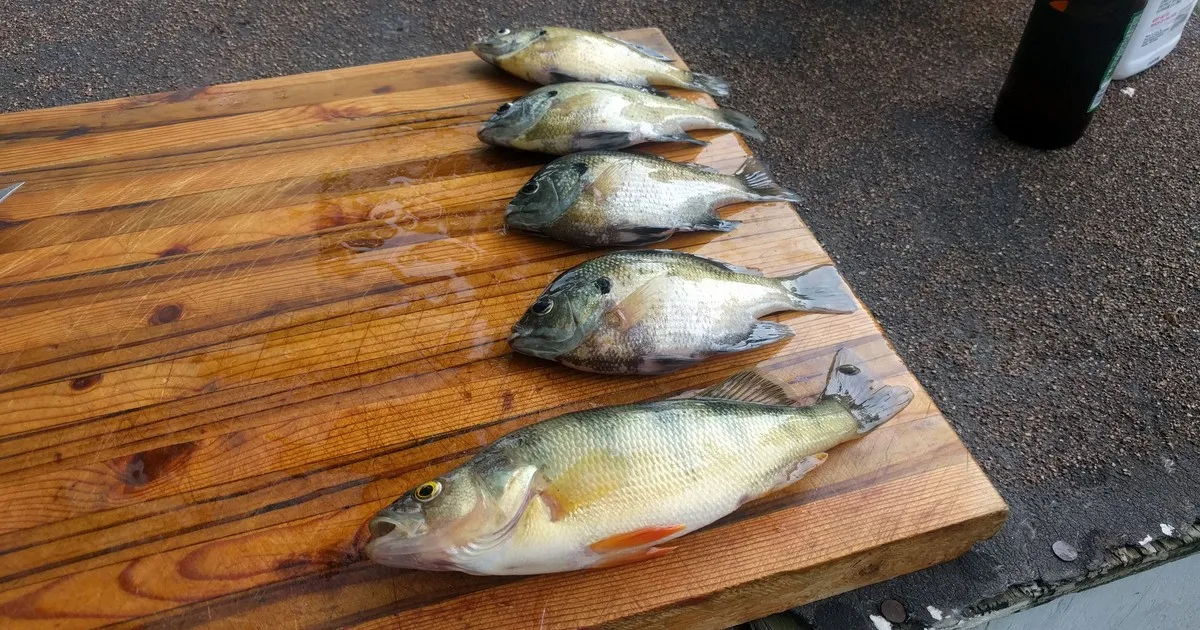
A mixed early-ice haul of bluegill and perch is made for a shore lunch or a home fry. Try shore lunch on the ice or the classic Midwest panfish fry. Keep what you will eat; sort small fish back when the bite is hot.
Early-Ice Checklist
- Ice picks, spud, rope, floatation, charged phone
- Auger or chisel suited to ice thickness
- Ultralight ice rods, small jigs, bait
- Flasher or sonar if you have one
- Shelter only when ice and wind demand it — mobility first on early ice
- Extra gloves, dry socks, headlamp
Early ice is short, productive, and unforgiving if you rush the safety side. Find the last green weeds and shallow basins, drill more holes than you think you need, keep baits small, and move with the fish. When the pattern shifts deep, you will know early ice is over — and midwinter has begun.

Post Comment