Mastering the Art of Bluegill Fishing: A Complete Guide
Where to Look for Bluegill
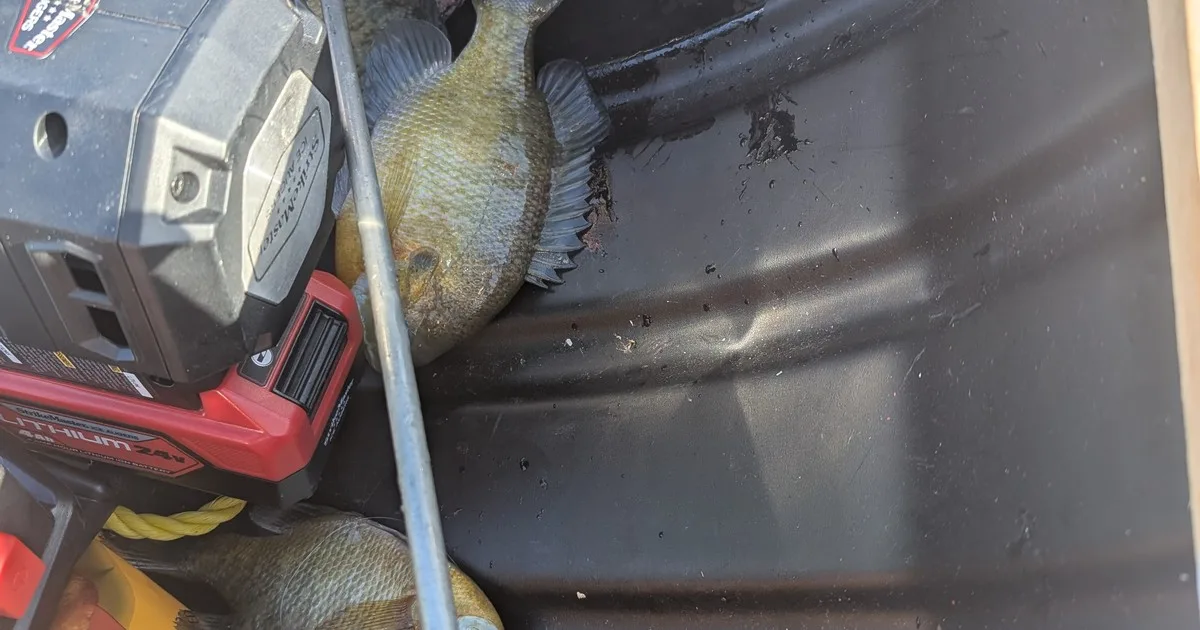
Bluegill thrive in freshwater environments across North America, making them accessible in ponds, lakes, and slow-moving rivers. Focus on shallow areas during spring and fall, typically 3-8 feet deep, where they spawn and feed near structure. Look for submerged vegetation like lily pads, reeds, or weed lines, as these provide cover and attract insects—their primary food source. Docks, fallen logs, brush piles, and hard-bottom spots like sand or gravel beds are hotspots, especially for spawning colonies.
In summer, as water warms, larger bluegill move to deeper water (10-20 feet) adjacent to shallow haunts, often around deep weed edges, submerged wood, or transition zones. If you’re bank fishing, target coves or areas with overhanging trees. For bigger fish, scout for less-pressured waters known for trophies—local forums or apps can help identify these gems.
Best Times of Day to Fish
Timing is crucial for bluegill success. These fish are most active during low-light periods: early morning (dawn to mid-morning) and late afternoon into evening. This is when they feed aggressively near the surface or in shallows.
Seasonally, spring is prime for bank anglers, as bluegill move shallow to spawn when water hits 50-52°F. Summer fishing shines midday if you’re targeting deeper schools, while fall brings them back to mid-depths for feeding frenzies. Avoid the heat of midday in warm months, as bluegill retreat to cooler depths.
Weather Patterns That Boost Your Catch
Weather plays a big role in bluegill behavior. Overcast or cloudy days are ideal, as they encourage fish to stay active and feed throughout the day without harsh sunlight driving them deep. A gentle breeze, especially from the south, creates ripples that disguise your approach and stirs up food.
Mild temperatures keep bluegill in predictable spots—cooler weather pushes them deeper, while warmer days draw them shallower. Pre-frontal conditions (before a storm) can trigger bites, but fish post-storm when waters stabilize. Avoid extreme heat or cold, which slows their metabolism. Monitoring water temperature is key; aim for 50-70°F for peak activity.
Pole Setups and Gear Essentials
Keep it simple and light for bluegill—they’re not giants, but they fight hard. A beginner-friendly setup includes an ultralight spinning rod (4-7 feet long) paired with a small reel spooled with 4-8 pound test monofilament line. For sensitivity, opt for a light-action rod 8-9 feet long if fishing from shore or around structure.
Rig with a small hook (size 6-10), a split shot weight 12-18 inches above it, and a bobber to suspend your bait at the right depth. For jigging, use 1/32-1/64 ounce jigs—black or colorful heads work well. Tie on with a simple improved clinch knot. This setup allows for precise casts and detects subtle bites.
Top Baits and Lures
Bluegill aren’t picky eaters, but natural baits rule. Worms (red worms or nightcrawlers) are unbeatable—use just a small piece to cover the hook. Crickets, grasshoppers, mealworms, wax worms, or maggots are close seconds for lively action. Small minnows or leeches work for bigger ‘gills in deeper water.
Artificial Lures That Work
When live bait isn’t an option, small artificials catch plenty of bluegill. Tiny jigs (1/32–1/64 oz) tipped with soft plastic trailers in black, white, or chartreuse are a staple. Inline spinners like a Beetle Spin or small Mepps in size 0–1 draw reaction strikes. Micro crankbaits, tube jigs, and 1–2 inch curly-tail grubs on light jigheads cover most situations.
Fly anglers do well with woolly buggers, poppers, and small dry flies during insect hatches. Under a float, a 1/80–1/32 oz jig suspended 2–4 feet down is deadly around weed edges and docks.
Techniques That Put Fish on the Stringer
- Still-fishing with a bobber — Suspend bait just above weeds or bottom. Adjust depth until you get consistent bites.
- Vertical jigging — Drop a small jig straight down along dock pilings, brush piles, or deep weed lines. Use short hops and pauses.
- Slow retrieves — Cast small spinners or jigs and reel just fast enough to keep the blade turning. Pause occasionally near structure.
- Sight-fishing in spring — During the spawn, look for saucer-shaped beds in shallow gravel. A cricket or tiny jig placed on the edge of a bed often draws an instant strike.
Common Mistakes to Avoid
- Hooks and bait too large — Oversized hooks spook fish and reduce hook-up rates. Scale down for consistent bites.
- Heavy line and stiff rods — Bluegill have subtle bites. Ultralight tackle helps you feel every tap.
- Fishing only the bank — The biggest bluegill often hold on offshore structure in summer. A kayak or longer cast can reach them.
- Ignoring water temperature — When temps climb above the mid-70s°F, shift deeper or fish early and late.
Final Thoughts
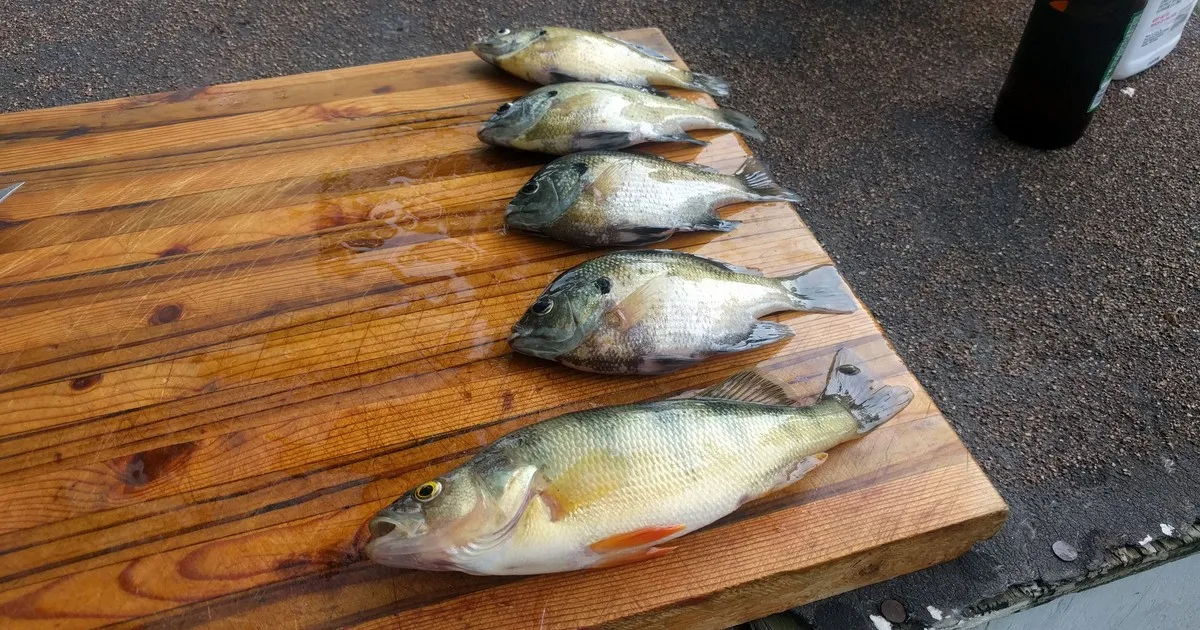
Bluegill fishing is one of the most accessible and rewarding ways to spend a day on the water. Keep your tackle light, fish the edges of cover during low-light windows, and match your bait size to the fish. Whether you’re filling a cooler for a fish fry or chasing a trophy ‘gill on light line, a little observation goes a long way. Check local regulations, handle fish carefully if you’re releasing them, and enjoy the fight. Tight lines!

4 comments