Northern Pike Fishing in the Midwest: Weeds, Spoons, and Simple Trophy Tactics
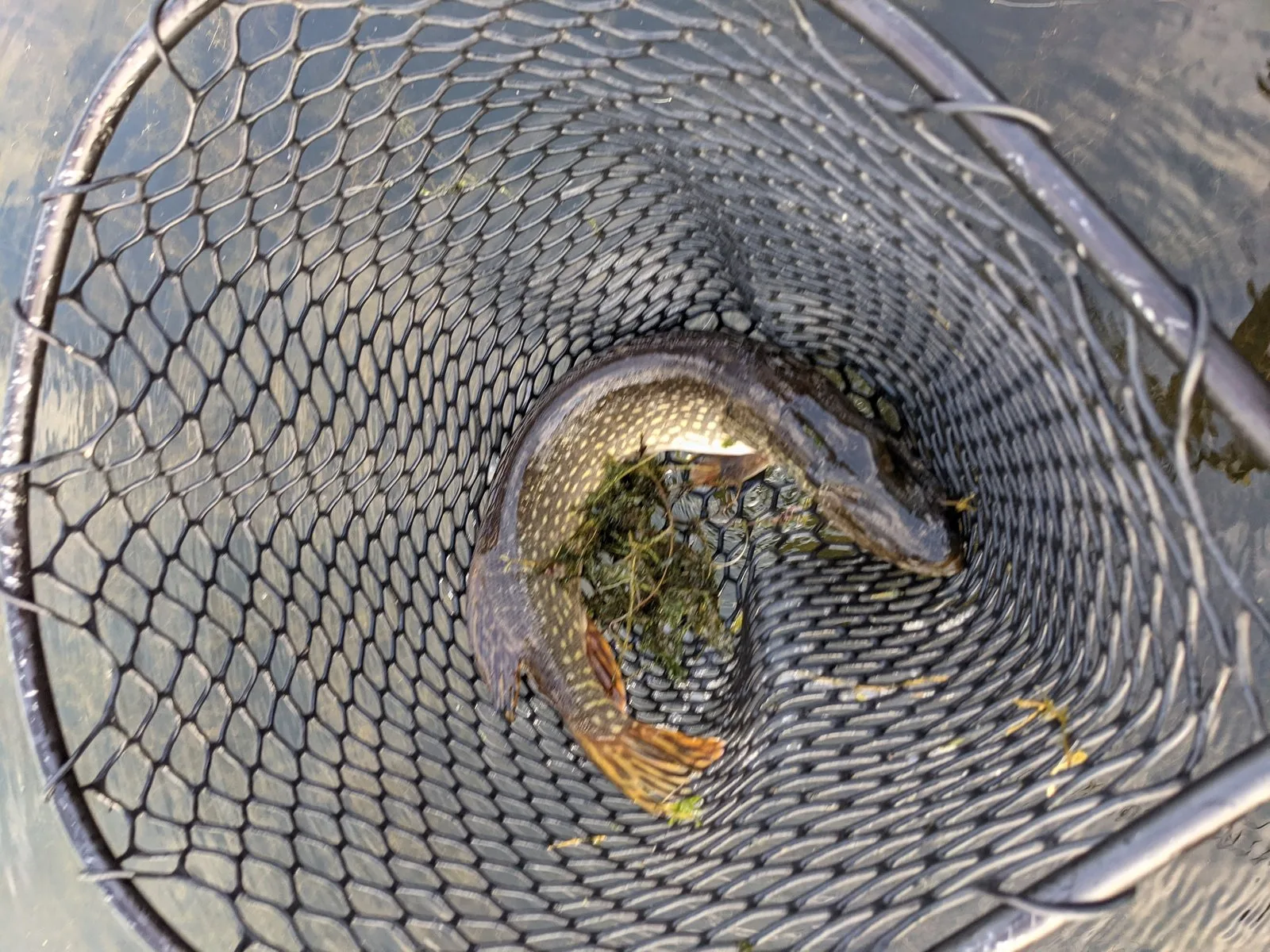
Northern pike are the apex ambush predators of many Midwest lakes and rivers. They use weeds, wood, and current seams to crush baitfish — and they will also crush a careless leader. You do not need heavy muskie gear for solid fish; you need the right places, a few honest baits, and steel or heavy fluoro where teeth demand it.
This guide covers Midwest northern pike tactics for open water: where pike live seasonally, spinnerbaits and spoons, soft plastics, live bait (where legal), and how to handle fish for a quick photo and release. Weed edges that hold panfish and bass also hold pike — see our weedline tactics article for edge concepts that overlap.
Where Midwest Pike Live
Weeds and cabbage beds
Green weeds are home. Cast along the outside edge, through lanes, and over shallow flats early and late. In midsummer heat, the deep weed edge and adjacent deeper water often outfish the skinny flat.
Points, saddles, and reef edges
Pike use structure that concentrates bait the same way walleyes do — but they often sit shallower or tighter to cover. Wind-blown points with weeds are prime.
Rivers and flowages
Current seams, eddy edges, and weed pockets in flowages hold pike year-round. Slow-roll spinnerbaits or work spoons through soft current; pause in eddies where fish rest.
Seasonal notes
- Spring: Shallow bays and outgoing areas near spawning marshes as water warms.
- Summer: Deep weed edges, shade, and low light; bigger fish often deeper than the crowd expects.
- Fall: Aggressive feeding on main-lake structure as bait moves — great spoon and big-bait season.
Presentations That Work
Spinnerbaits and inline spinners
A medium spinnerbait along the weed edge is a Midwest classic. Vary retrieve speed until you feel thumps. Inline spinners (Mepps-style) work for mid-size fish and from the bank.
Spoons
Cast spoons over weeds or vertically jig them in deeper water. Flutter on the fall — many strikes come as the spoon drops. Match spoon size to forage; upsizing in fall is common.
Soft plastics and swimbaits
Paddletails, large twister tails, and glide-style baits cover water and draw reaction strikes. Weedless hooks help in cabbage. Work parallel to the edge so the bait stays in the strike zone longer.
Live bait (where legal)
A large sucker or chub under a big float or on a quick-strike rig is effective for trophy hunting in cool water. Know local rules on live bait and setlines. Always prioritize a quick fight and careful release on big fish.
Leaders, Line, and Hooks
- Leader: Short wire or heavy fluoro (e.g. 40–80 lb) depending on bait and water clarity. Pike will cut light mono.
- Main line: 15–30 lb braid or mono matched to the rod.
- Hooks: Quality singles or strong trebles; check points often after rocks and teeth.
- Pliers and jaw spreaders: Non-negotiable for deep hooks — pack long-nose pliers.
Hooksets and Landing
Pike often slash and return. If you feel a bump and nothing sticks, keep reeling — a second hit is common. On the hookup, a firm sweep set helps bury hooks past the teeth. Net large fish when you can; lip-gripping toothy fish is riskier for both of you.
Handling for Photos and Release
- Support the body horizontally — do not dangle big pike by the gill plate alone.
- Keep fish in the water while you free hooks when possible.
- Wet hands before touching; minimize air time.
- Revive fish in the water until they kick away strongly.
Pike and the Rest of Your Day
Pike often show up while you fish weedlines for bass or panfish. Carry one rod rigged with a spinnerbait or spoon so you can capitalize without a full re-tackle. If pike are cutting you off, step up the leader instead of abandoning productive water.
Midwest northern pike are aggressive, available, and worth targeting with a simple plan: green weeds, wind, honest baits, and a leader that survives the teeth. Stay on the edge, vary retrieve speed, and handle fish with respect.

1 comment