Catch and Release Handling: Panfish, Bass, and Pike
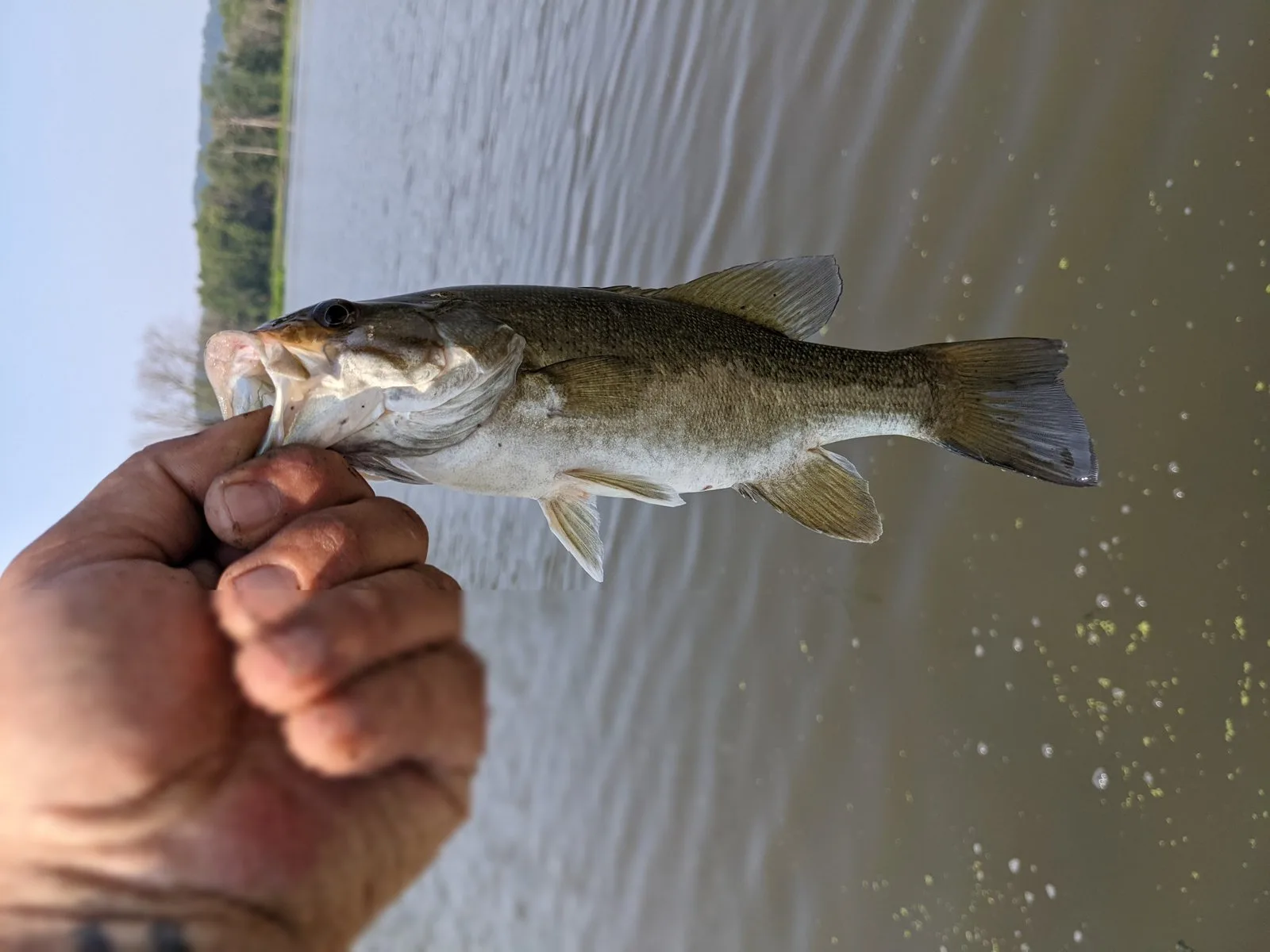
Good release habits keep Midwest fisheries worth fishing. Whether you are photographing a pike, sorting bluegill, or turning a smallmouth loose at the boat, catch-and-release handling is simple: minimize air time, support the body, use the right tools, and know when a fish should be kept instead of stressed for a hero shot.
This guide covers panfish, bass, and pike. Species tactics live elsewhere — pike, smallmouth, bluegill.
Universal Rules
- Wet hands before touching fish (dry hands remove slime).
- Keep fish in the water while you free the hook when you can.
- Support horizontal body weight — do not dangle large fish by the jaw alone.
- Limit air time: unhook, quick photo, back in.
- Revive in current or by moving water over the gills until the fish kicks away.
- Crush barbs or use single hooks when you plan to release most fish.
Panfish
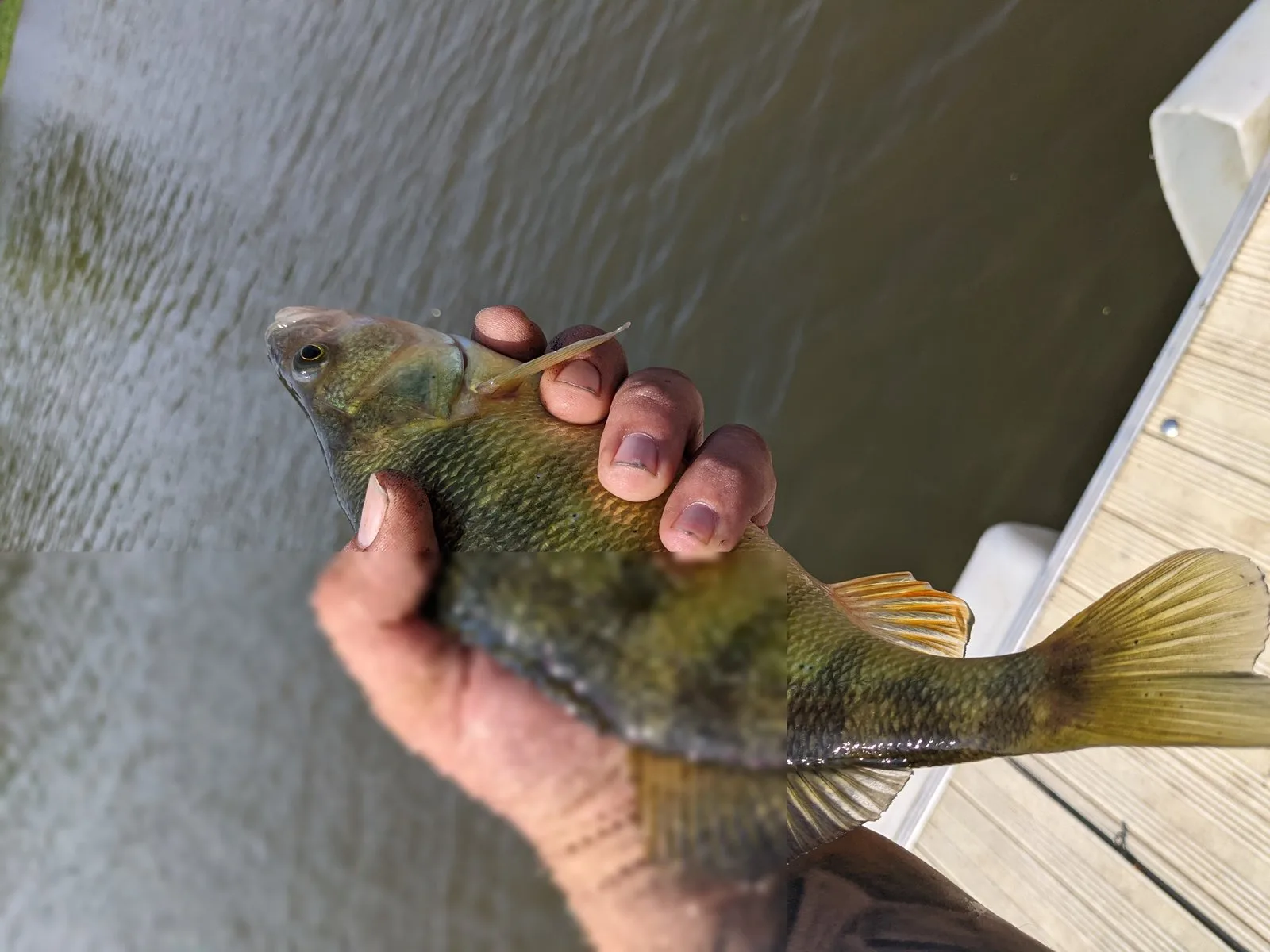
- Small hooks and light wire reduce deep hooking; set sooner on a slip bobber.
- Use forceps or a hook-out for throat hooks; cut the line if the hook is buried and release is the goal.
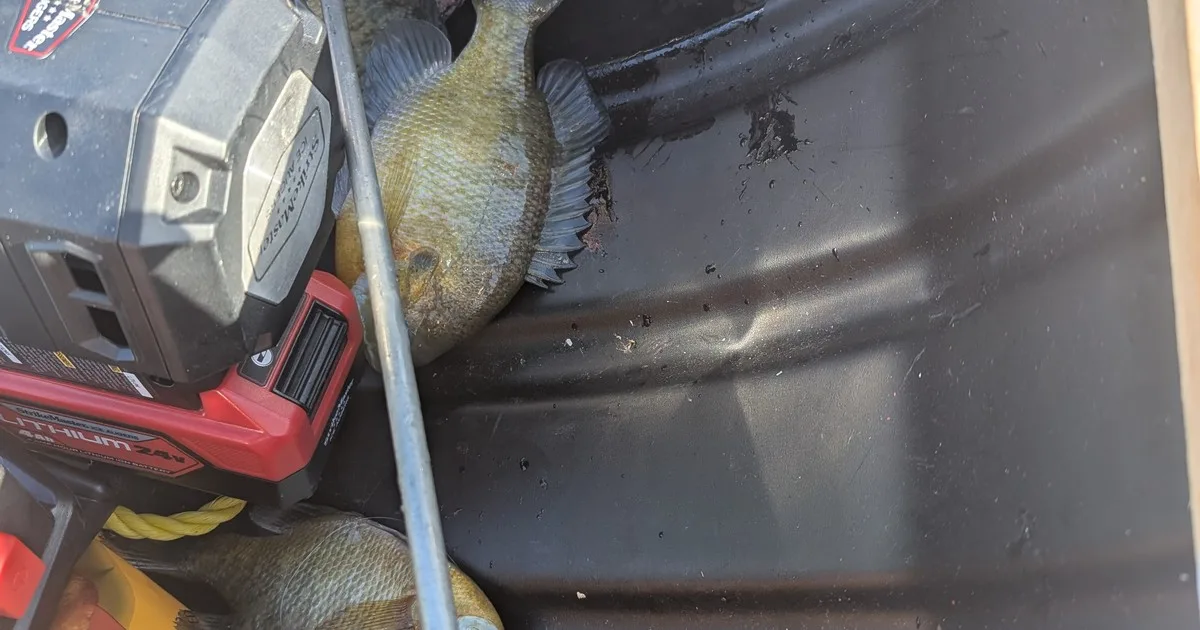
- Sort keepers into a basket or cooler with water; do not leave a stringer baking in sun.
- If you are keeping a fry limit, stop fishing that school or switch to artificials and release.
Bass (Smallmouth and Largemouth)
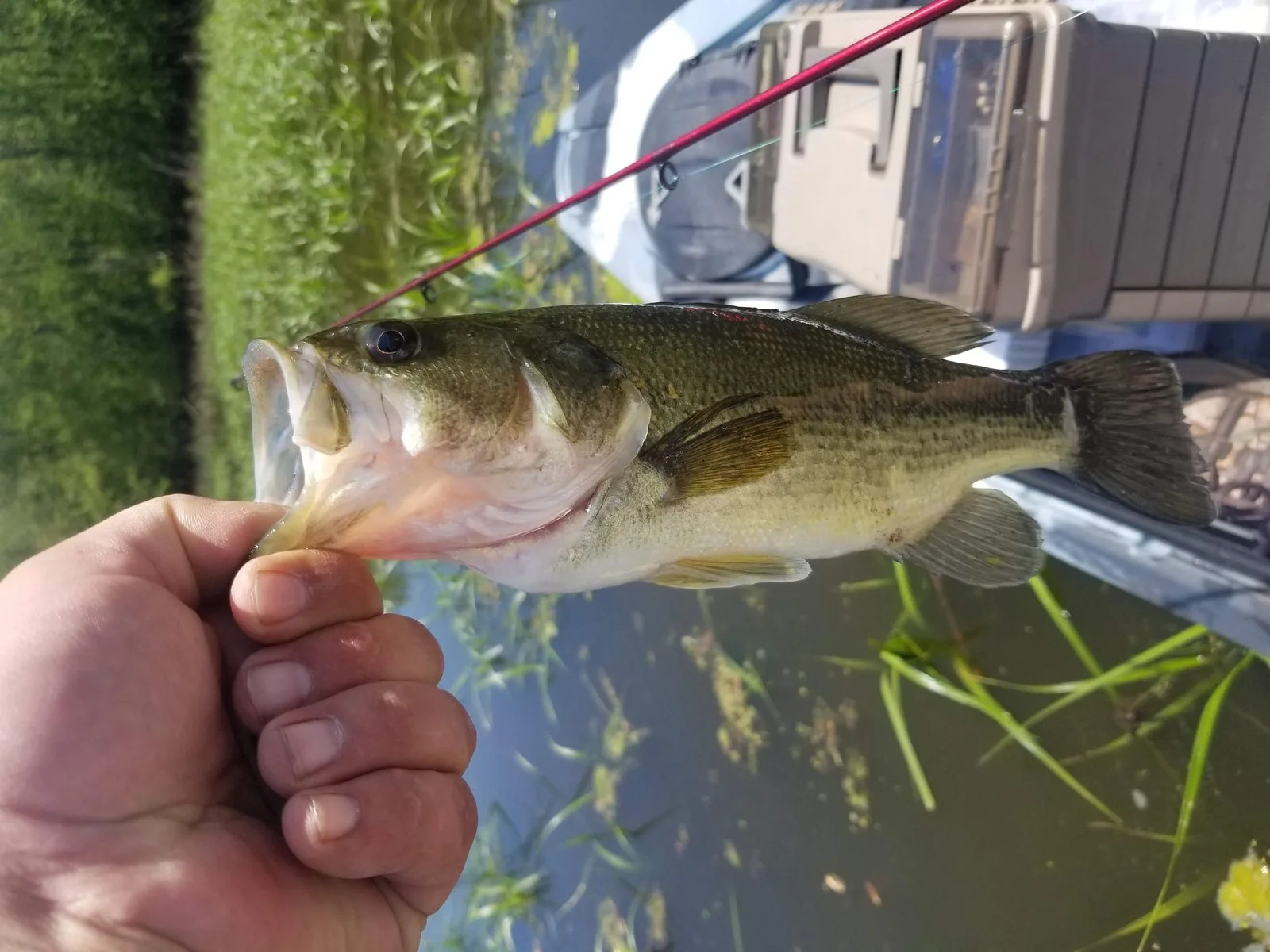
- Jaw grip is OK for control; always support the belly on big fish and for photos.
- Avoid vertical holds that strain the jaw on heavy smallmouth.
- Summer surface temps can be hard on fish — fight them efficiently, revive longer.
- Deep-hooked bass: cut the line close rather than ripping gills.
Northern Pike (and Other Toothy Fish)
- Long-nose pliers and jaw spreaders are safety gear for you and the fish.
- Leaders reduce swallowed hooks; still plan for toothy close combat.
- Net large pike when possible; control the head before you reach in.
- Horizontal support for photos — see pike tactics.
Photos Without Killing the Mood (or the Fish)
- Frame the shot before the fish leaves the water.
- One or two photos, not a studio session.
- Kneel in the shallows when you can; keep the fish over water.
- No need for faces in the frame if you prefer — catch shots work without people (our site standard).
When to Keep Fish
Release is not always the ethical choice if a fish is bleeding heavily, gut-hooked in warm water, or clearly not going to recover. Follow local regulations. Keep what you will eat and clean it promptly — cleaning and filleting panfish, then panfish fry.
Treat fish like the limited resource they are. Wet hands, short air time, right tools — and a cooler ready when the plan is dinner.

Post Comment