Late Ice Panfish: End-of-Season Tactics for Bluegill, Crappie, and Perch
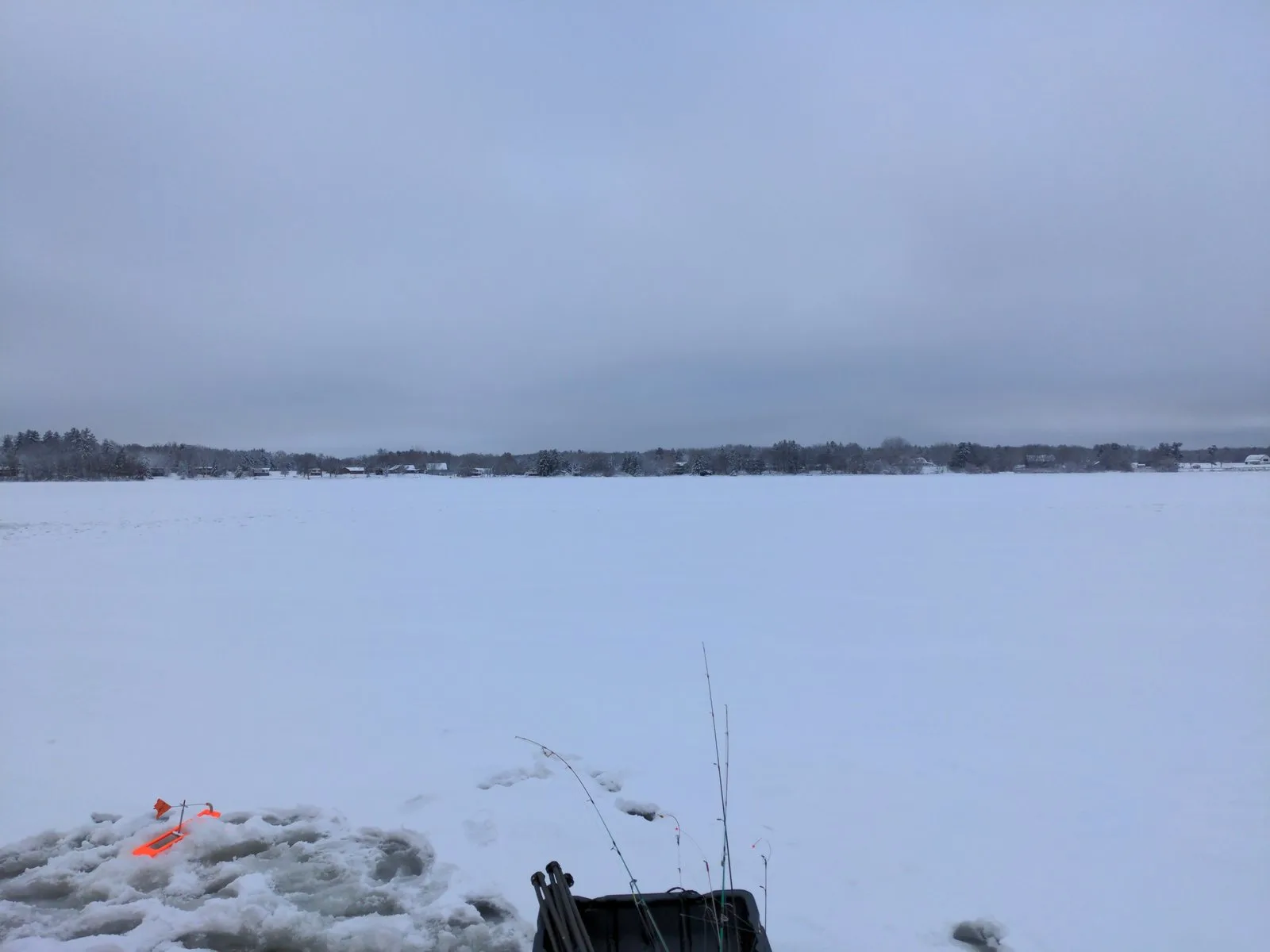
Late ice is the other end of the hard-water season — longer days, softening snow, and panfish that often turn on before the ice goes out. It is not early ice and it is not midwinter. Fish slide toward shallower mud, dying weeds, and the first warm water under dark ice. This guide covers late-ice panfish tactics for Midwest bluegill, crappie, and perch.
Pair this with early-ice panfish tactics and Ice Fishing 101 for a full-season ice plan. Safety matters more as ice rots — never assume last month’s thickness still holds.
What Late Ice Feels Like
- Light and melt: Stronger sun, honeycombing near shore, wet snow and slush on top.
- Fish mood: Often more aggressive than deep midwinter; willing to chase small jigs higher in the column.
- Location shift: Away from the deepest basin hole toward shallower soft-bottom flats, remaining weed, and north-bank warm-up areas.
- Pressure: Trails and holes everywhere — fish the less-pounded edges of popular spots.
Safety When Ice Is Leaving
- Test ice constantly. Shore ice and dark ice near inlets go first.
- Avoid night trips on rotting ice. Daytime sun can change conditions by afternoon.
- Wear flotation. Carry picks and a rope. Fish with a partner when you can.
- If you hear booming, see large cracks, or find standing water under snow, leave.
- ATVs and trucks have no place on questionable late ice — walk light or stay home.
Where Late-Ice Panfish Go
Shallow mud and soft flats
Bugs and bait wake up in soft bottom as light increases. Bluegill and perch often sit higher over 8–18 foot mud (depths vary by lake). Drill a grid from the deep basin toward the shallow flat until you find marks.
Dying weeds and green remnants
Any green left is gold. Work the deep edge and pockets. Same edge logic as summer — see weedline tactics — but vertical and mobile.
Dark ice and north shores
Areas that absorb heat first can hold more active fish. On big lakes, protected bays that saw early ice in December often see late-ice panfish push shallow again before ice-out.
Crappie suspended
Late-ice crappie may suspend over basins or along the first break. Watch your flasher for high marks. Deadstick one rod while you work another — same idea as early ice, often shallower.
Presentations
- Small tungsten jigs: Fast to depth; tip with plastics, waxworms, or spikes.
- Aggressive then subtle: Pound to call fish, then pause or deadstick when they arrive.
- Upsize slightly for jumbos: A bigger profile can sort larger bluegill and perch when the school is thick.
- Tip-ups: Small minnow on the edge of a panfish school for perch, crappie, or bonus pike — mind leaders if pike are present (pike tactics).
Mobility and Crowds
Late ice trails are highways. Fish the fringe of the crowd, not the center of the hole field. Morning and late afternoon often beat mid-day on pressured lakes. If a spot dies after a flurry, slide 20–40 yards and re-drill — do not wait for a dead hole to revive.
Weather Windows
Stable mild stretches after cold snaps can fire the bite. Heavy wet snow and fog can also help. Warm rain on rotting ice is a safety red flag more than a fishing plan. Track pressure trends like you would open water — barometric pressure guide.
Ice-Out Transition
When ice pulls from shore, fish often stage along the first open water and remaining ice edge (where legal and safe — do not fish unsafe shelves). After ice-out, shift to open-water plans: spring crappie, bluegill, and slip bobbers.
From the Ice to the Fryer
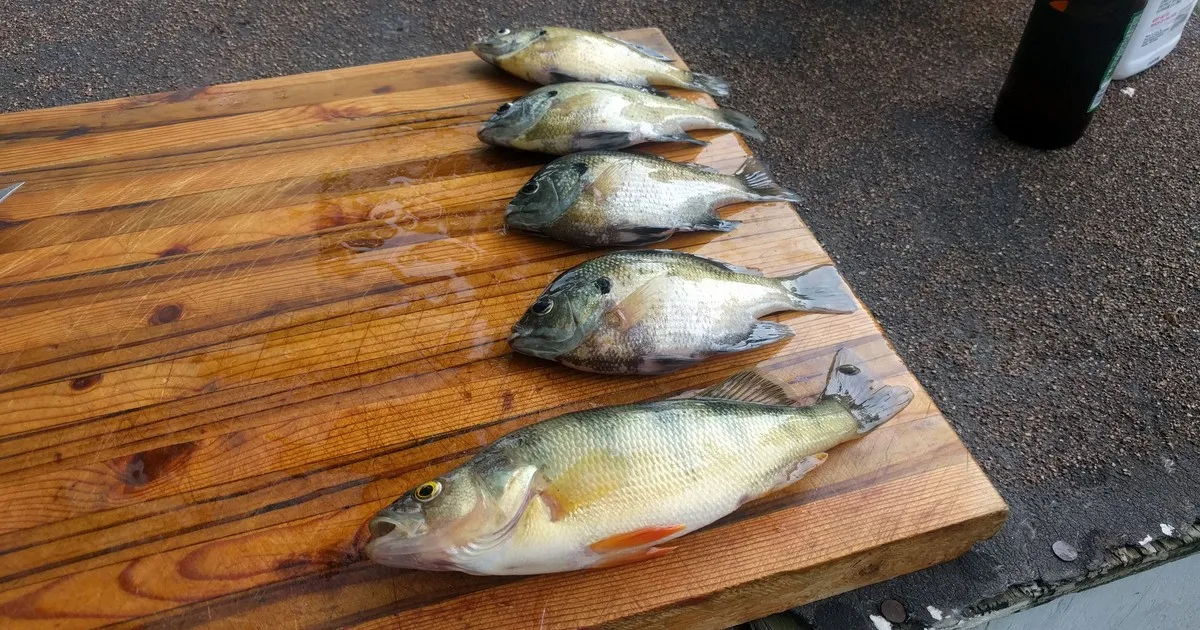
Late ice can produce excellent table fish. Keep what you will eat. Recipes: shore lunch on the ice, Midwest panfish fry, beer-battered perch strips.
Late ice rewards anglers who move shallow with the light, keep baits small but active, and respect rotting ice. Fish the mud and last weeds, not last month’s deep hole — and leave when the ice says the season is over.

1 comment