Camp Coffee and Cold-Weather Shore Lunch Kit for Ice and Bank Fishing
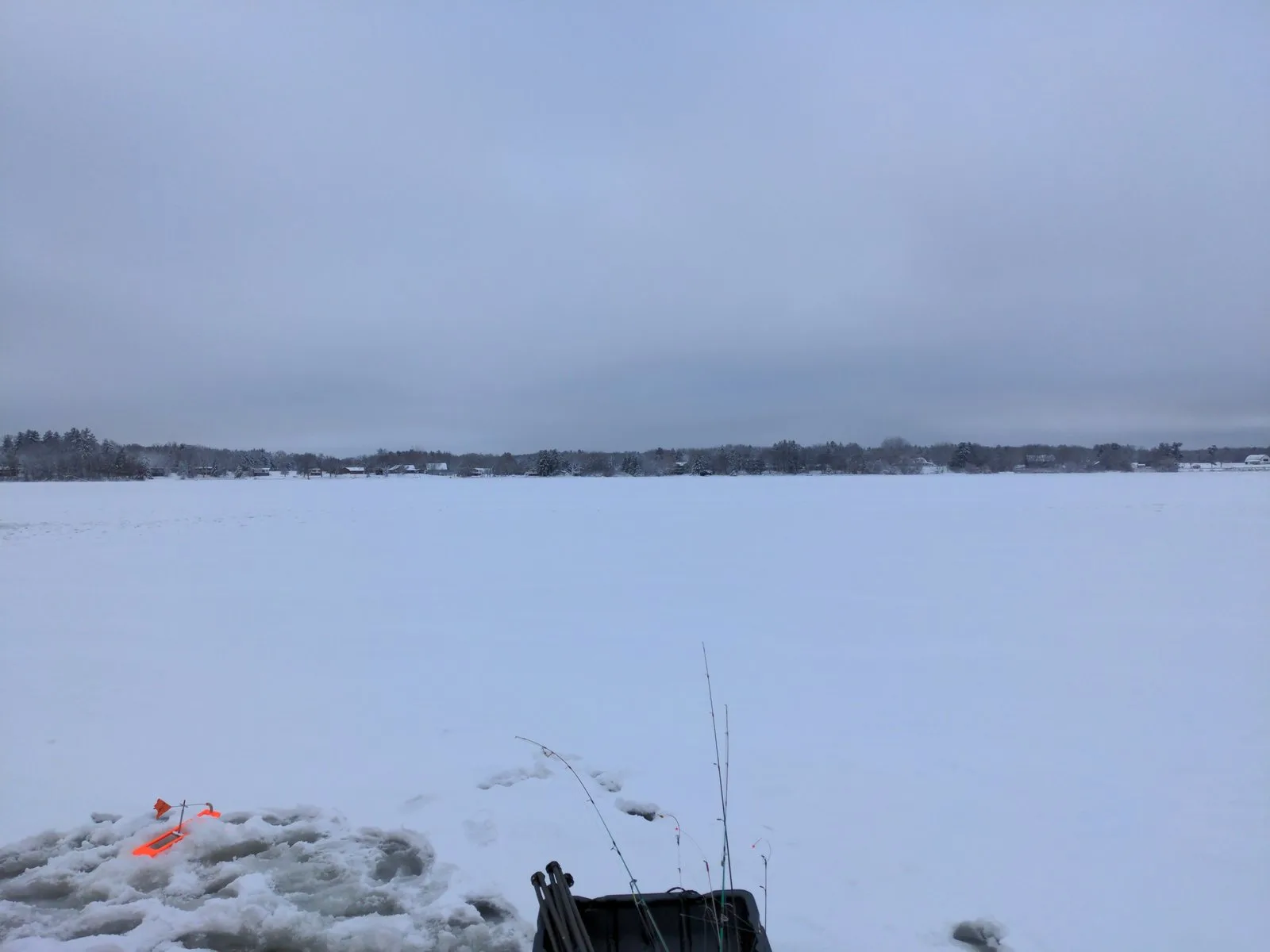
Cold weather fishing is half about the bite and half about staying warm enough to enjoy it. A tight camp coffee and shore lunch kit keeps you fed between tip-up runs or bank sets without hauling the kitchen. Use this with our shore lunch on the ice and Ice Fishing 101.
Why Coffee Matters on the Ice (and the Bank)
Hot drinks fight cold better than most snacks. Coffee, cocoa, or broth in a real thermos (not a thin travel mug) is morale gear. Brew at the truck or cabin, or use a small stove on-site when wind allows. Never leave a stove unattended on ice or dry grass.
Camp Coffee Options
Thermos brew (simplest)
- Brew strong coffee at home or the cabin.
- Preheat the thermos with boiling water 2 minutes; dump; fill with coffee.
- Leave headspace so it does not spit when opened in the cold.
Pour-over or cone on a stove
- Small propane or isobutane stove + windscreen
- Kettle or pot, paper filters or metal cone, ground coffee in a zip bag
- Boil, bloom, pour — pack out filters
Cowboy / pot coffee
- Add grounds to cold water in a pot (about 2 tbsp per cup), bring toward a boil, remove from heat, settle 2–3 minutes.
- Splash a little cold water to drop grounds; pour carefully.
- Messier, but works when you forget filters.
Extras: sugar, powdered creamer, or a small flask of whiskey for the thermos lid crowd — your call, stay legal and safe on ice.
Cold-Weather Shore Lunch Kit
Cook hardware
- Compact propane stove + full fuel canister (cold kills pressure — keep a spare warm in a pocket/pack)
- Wind screen
- Small cast iron or carbon steel skillet
- Spatula, tongs, sharp knife, cutting board scrap
- Long lighter / matches in a dry bag
- Paper towels, wet wipes, small trash bag
Food that survives a sled
- Pre-mixed fry coating in a labeled zip bag (see panfish fry)
- Oil in a leakproof bottle (not glass)
- Fresh or frozen fillets in a soft cooler
- Bread, butter, pickles, salt
- Hard snacks: jerky, nuts, chocolate, oranges
- Instant oatmeal or soup packets if the bite is slow
Hot drink station
- Thermos of coffee or hot water
- Spare insulated mug
- Tea/cocoa bags as backup
On-Ice / On-Bank Routine
- Set tip-ups or rods first; cook when the spread is stable.
- Site the stove on a stable platform out of traffic; block wind.
- Keep raw fish cold until the pan is hot; fry small batches.
- Eat, pack trash, then fish again — do not leave food waste for gulls or raccoons.
- Drown and cool the stove fully before it goes back in the sled.
Safety Notes
- Carbon monoxide: never cook inside a sealed shelter without ventilation.
- Fuel canisters: store upright; warm gently in clothing if performance drops — no open flame on the can.
- Knives and hot oil on ice: slow movements, dry footing, no kids unsupervised near the stove.
- Ice safety still rules the day — see early ice and late ice safety sections.
Minimalist Day Pack (No Full Fry)
Not every trip needs a skillet. Thermos coffee, sandwiches, fruit, and candy will cover a mobility-first early-ice grind. Save the full shore lunch for stable ice, a group trip, or a slow mid-day window.
Cold-weather fishing is better with a hot cup and a plan for food. Keep the kit light, the thermos full, and the stove honest about wind and ice — then get back to the rods.

Post Comment