Midwest Weedline Fishing: Bass and Panfish on the Deep Edge
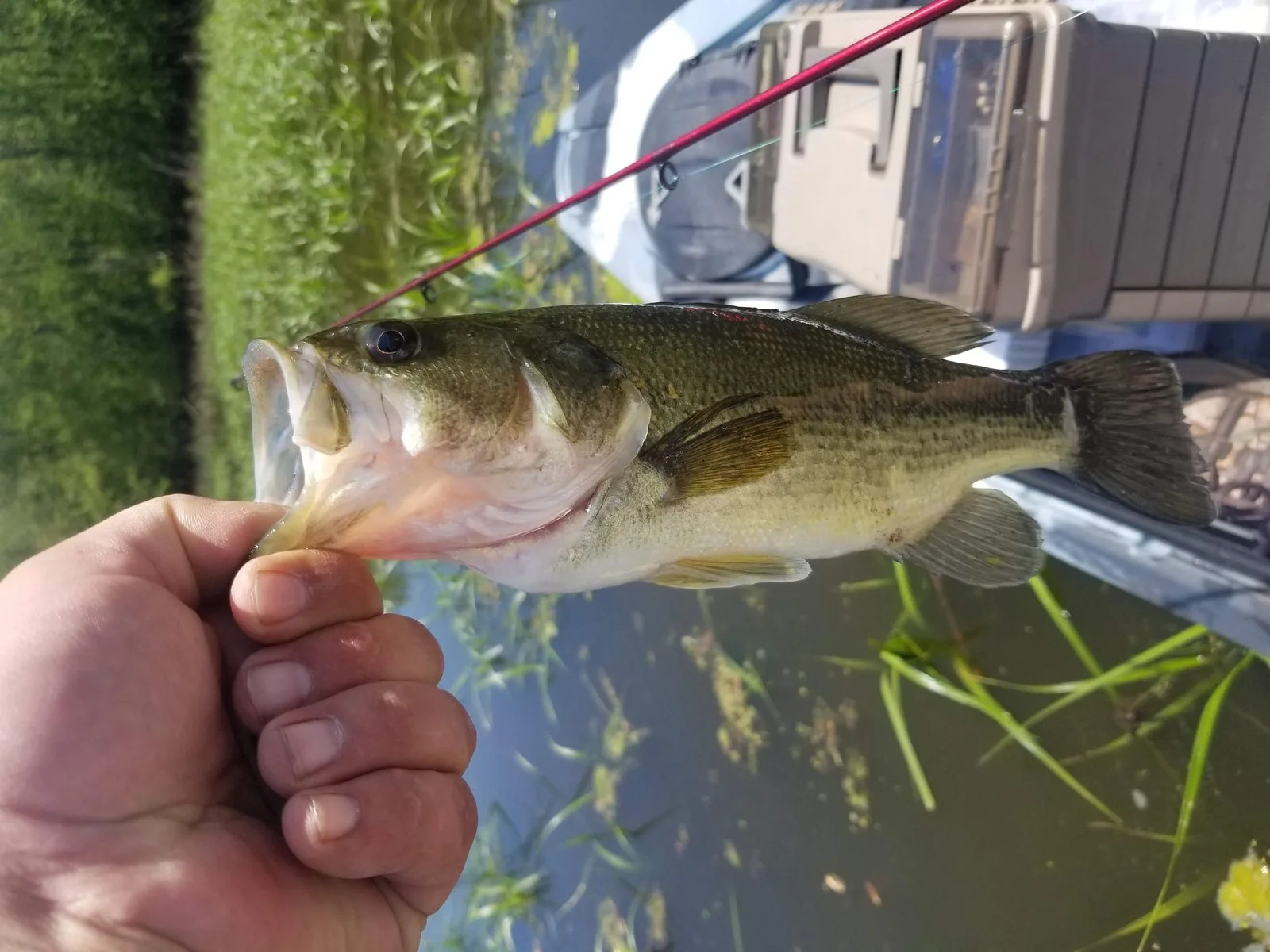
If you only learn one Midwest summer pattern, learn the weedline. The deep edge of cabbage, coontail, or milfoil is a highway for baitfish — and everything that eats them: bluegill, perch, crappie, smallmouth, largemouth, and pike. The same edge can produce panfish on a slip bobber in the morning and bass on a jig or spinnerbait by afternoon.
This is a tactics guide for fishing Midwest weedlines for bass and panfish, not a full species manual. Use it with our smallmouth guide, bluegill guide, and slip-bobber panfish tactics.
What a Weedline Really Is
A weedline is where thick vegetation meets more open water — often at a depth change, hard-bottom edge, or clarity limit. Fish use it like a wall: bait hides inside, predators cruise the edge, and shade plus oxygen make the edge livable through summer heat.
- Inside edge: Shallow side of the bed — good early and late for bass and big bluegill.
- Outside (deep) edge: Primary summer highway — start here mid-day.
- Points and pockets: Inside turns and outside points concentrate fish; do not only fish straight walls.
- Hard bottom transitions: Sand or rock meeting weeds is premium water.
How to Find Productive Edges
- Side-imaging or a simple flasher marks the deep edge; without electronics, fan-cast until you foul weeds, then work parallel.
- Look for green weeds, not brown mats — living cabbage holds more bait.
- Wind into the weeds often improves the bite; fish the windy edge first.
- Docks that sit on a weedline combine shade and structure — high-percentage targets.
Panfish on the Weedline
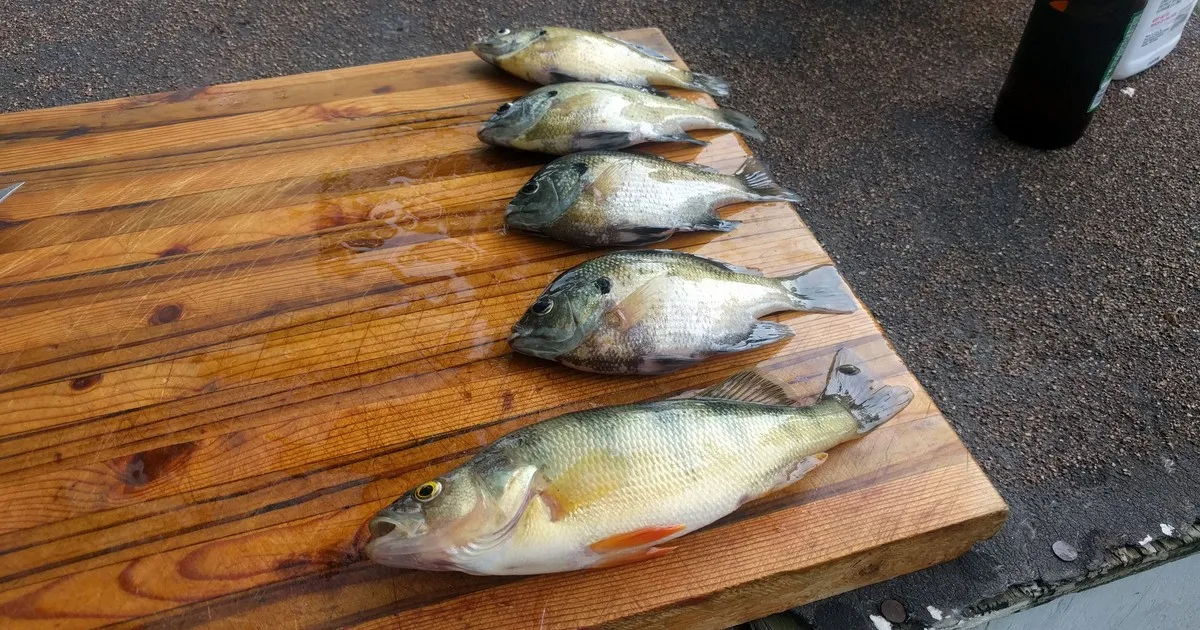
Bluegill and perch often sit on top of the weeds or just off the edge. A slip bobber with a worm or small jig lets you suspend bait above the salad without constant snags. Work along the edge in 10–20 yard sections before you move.
- Depth: start 1–3 feet above the weed tops; adjust with the stop knot.
- Search bait: small Beetle Spin or micro spinner to find active fish, then slow down — see our Beetle Spin guide.
- Best times: morning and evening on the inside edge; mid-day on deeper outside edges or shade.
Bass on the Weedline
Smallmouth
Bronzebacks use weed edges adjacent to rock and deeper water. Drag tubes, Ned rigs, or small swimbaits parallel to the edge. When the wind lays on the weeds, a spinnerbait or crank along the edge covers water fast.
Largemouth
Flip or pitch soft plastics into pockets, or run a weedless frog over matted sections early and late. On the deep edge, a jig-and-craw or Texas-rigged worm is hard to beat. Keep the bait in contact with the vegetation edge, not 20 yards into open water.
A Simple Rotation That Works
- Idle or pole the outside weed edge until you mark fish or bait.
- Make a dozen casts with a search bait (spinner, small crank, Beetle Spin).
- If you get panfish bites, deploy a slip bobber and work that stretch thoroughly.
- If you get bass boils or solid thumps, slow down with a jig or soft plastic.
- Move to the next point or pocket when the stretch goes quiet — do not camp on dead water.
Gear Notes
- Panfish: Ultralight, 4–6 lb line, small slip floats and jigs.
- Bass: Medium rod, 10–15 lb line (or braid with leader in thick weeds).
- Polarized glasses — seeing the edge and cruising fish is a real advantage.
- Weedless or lightly weighted baits reduce lost time retying.
Seasonal Tweaks
Early summer: fish shallower edges and mixed sand/weed. Peak summer: focus deeper outside edges and shade. Fall: remaining green weeds and the first break outside them — the same idea as fall walleye structure, different species mix. Cold fronts may push fish tighter into cover or slightly deeper; slow presentations after a front.
Midwest weedlines are not complicated — they are consistent. Find living green edges, fish parallel, and match your bait size to whether you are targeting panfish or bass that day.

1 comment