Chasing the Perch: A Guide to Catching Yellow Perch
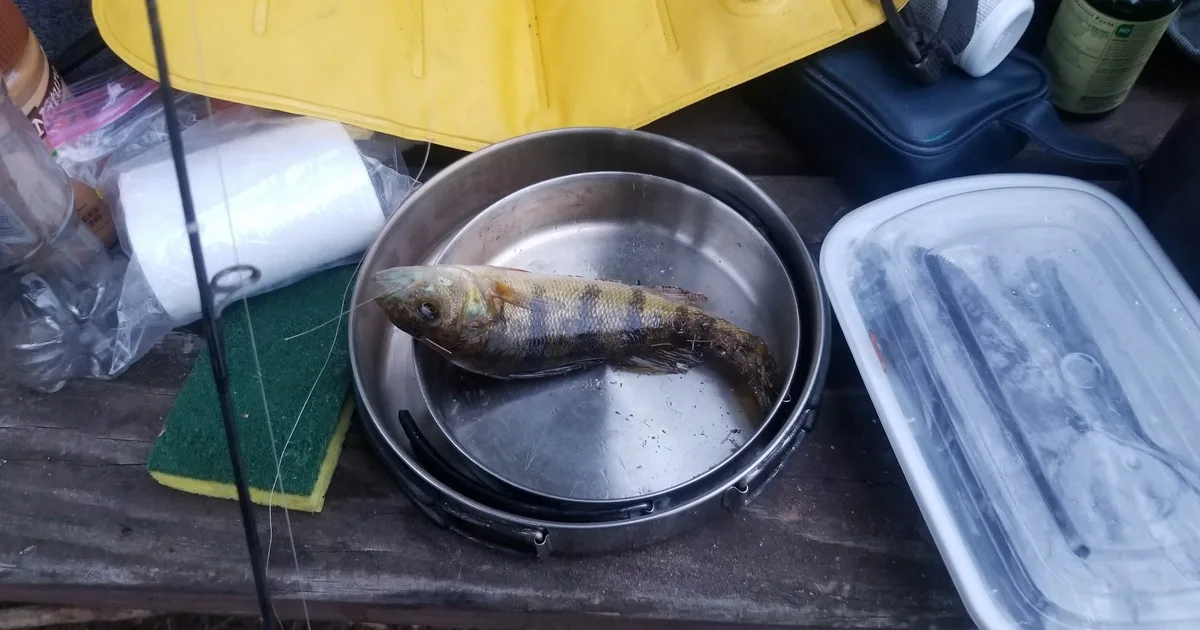
There’s a certain thrill in reeling in a plump, silvery fish that flashes in the low light. For many anglers, that thrill is the pursuit of yellow perch. Often called “perchies” or “perkiies” in some regions, these sunfish are a beloved species across much of North America, particularly in the Great Lakes and their tributaries, but also found in many smaller lakes and reservoirs. They offer a fighting spirit, often surprising size for their habitat, and a delicious table fare. But catching them consistently requires understanding their habits. Let’s dive into the essentials.
Where to Find the Perch
Yellow perch are primarily freshwater fish, thriving in lakes, reservoirs, and large rivers. They prefer cooler waters, which is why they are often abundant in the shallows during summer months when the surface warms up, but they move to deeper areas as the water temperature rises significantly. Their preferred habitat is structurally complex – think weed beds, rocky points, sand/gravel bars, undercut banks, and areas with drop-offs. They are often found near the bottom, suspended slightly off the substrate. Look for areas where different types of bottom meet, or where structures like fallen trees, rocks, or weed clumps provide cover and ambush points. Smaller lakes might hold them in shallower weed flats or near docks.
When is the Best Time?
While technically possible year-round (with a bit of effort), the prime time for catching yellow perch is during the early morning and late evening hours. This is when light levels are low, and perch are generally more active and feeding aggressively. Think dawn and dusk. During the middle of the day, especially on very bright, sunny summer days, they tend to retreat to deeper, darker waters. However, during the early part of summer, before the water truly heats up, they often remain shallower, making mid-day fishing possible, albeit potentially less productive. Fall is another excellent season, as they prepare for the colder months and become more active again. Winter ice fishing for perch is incredibly popular in many regions, offering a chance to target them in deep, structured areas under the ice.
What Weather Conditions Favor Perch?
Perch are often considered “cold water” fish. They seem to be most active during periods of falling or stagnant temperatures, especially when a cold front is passing or settling in. Overcast skies, rain, or cool, drizzly days can be prime conditions because the lower light levels and slightly cooler temperatures make them less wary and more willing to feed. Early summer mornings, even before the sun fully rises, can be magical. Avoid extreme heat or sudden, dramatic temperature spikes unless you’re prepared to fish deep and fast.
Tackle: Your Essential Gear
Your setup for perch can vary depending on the depth, structure, and presentation you’re using. A general-purpose medium-action spinning or baitcasting rod, typically between 6’6″ and 7′, is versatile for most situations. A 6:5 or 7:5 rod ratio offers good sensitivity and casting ability.
For reels, a smooth-running spinning reel or baitcasting reel with a good drag system is essential. Perch can put up a fight, especially larger ones, so reliable drag is key. A 6.5-8.5 size reel can handle most line capacities for typical perch fishing.
Line: You have options here. A standard monofilament line in the 6-15 pound test range is often effective, especially for finesse techniques and jigging. It provides good abrasion resistance against rocks and weeds. Braided line (fluorocarbon or monofilament co-polymer like SLD Blue) has advantages too. It’s invisible to fish, casts farther, sinks faster, and is tougher on abrasion. A 10-20 pound braid is a common choice for perch, allowing for longer casts and quicker sinking rates, especially effective for jigging and crankbait fishing. Leader: A fluorocarbon leader of 8-15 pound test, matching or slightly stronger than your main line, is often recommended, particularly in weedy or rocky areas, for abrasion resistance and its natural invisibility.
Best Presentation: Jigging, Finesse, and Lures
Perch are known for their aggressive reaction to jigging. This is a primary method. Using a variety of jigging spoons (like the Z-Man Death Machine, Paddle Tail Jigging Spoons, or various brands) or blade jigs (like Old Mill Jigs, Ned rigs, or small Colorado/Rhino blades) is highly effective. The key is to present the lure with erratic, lifelike action, working it through the strike zone (often near structure or the bottom) and varying your retrieve speed. A stout jigging rod can be beneficial for this.
Crankbaits: Many crankbaits are designed specifically for perch (like Rapala’s Perch Bites, Strike King’s Perch Bait). These often have a slow, subtle wobble or erratic action, and come in sizes mimicking common forage fish like alewives, smelt, and shiners. They are effective for covering water quickly and triggering strikes in open water or deeper channels.
Finesse Techniques: For very shallow water, spooky fish, or very cold conditions, finesse is the way to go. A small hook and sinker (sinker is a slip sinker or slip bobber) setup is perfect. Use very light line (4-8 pound mono). Cast your bait and let it sit slightly off the bottom, then twitch it or let it drift naturally. Common finesse baits include small jigging hooks with live bait (like red worms or small red maggots), tiny hair jigs (with size 10-14 hooks), or small spinners (like a #6-10 Mustad Red Devil).
Best Baits: Live and Lures
Yellow perch are aggressive predators, so baits that mimic their natural prey or elicit a strong reaction are best.
Live Bait: This is often extremely effective, especially in deep water or for jigging. Common choices include:
- Red Wigglers: A classic and often deadly choice for hooking perch (and many other species). Cast and let them swim naturally, or twitch them.
- Minnows (Fat Alberts, Red Darters, Gammaras): These are excellent for deep jigging or presenting slowly on a slip bobber.
- Red M maggots: A very popular and effective soft plastic bait for finesse fishing.
Lures: As mentioned, jigging spoons, crankbaits, and finesse jigs are top choices. Look for lures that flash (chrome, white nickel) or have a lot of side profile. Colors that mimic their diet – bright, reflective colors like chartreuse, orange, white, or silver – often work well, but experiment as conditions change. Topwater plugs can sometimes work on very cold, windy, or spooky summer days when fish are lethargic but still need to feed.
Conclusion
Catching yellow perch is an exciting challenge that rewards knowledge of their habits and adaptability in your presentation. By focusing on structure, fishing during low-light periods, using appropriate weather conditions, and selecting the right tackle and baits – whether live or lures – you significantly increase your chances. Whether you’re ice fishing in winter or casting a jigging spoon at dawn, the satisfaction of landing a keeper is what keeps anglers hooked on perch season after season. Get out there, find some structure, and put some “perchiies” in the boat!
Disclaimer: Local knowledge and conditions are paramount. Always check local regulations regarding size, creel limits, and seasons before you fish.

2 comments