Best fishing times based on rain
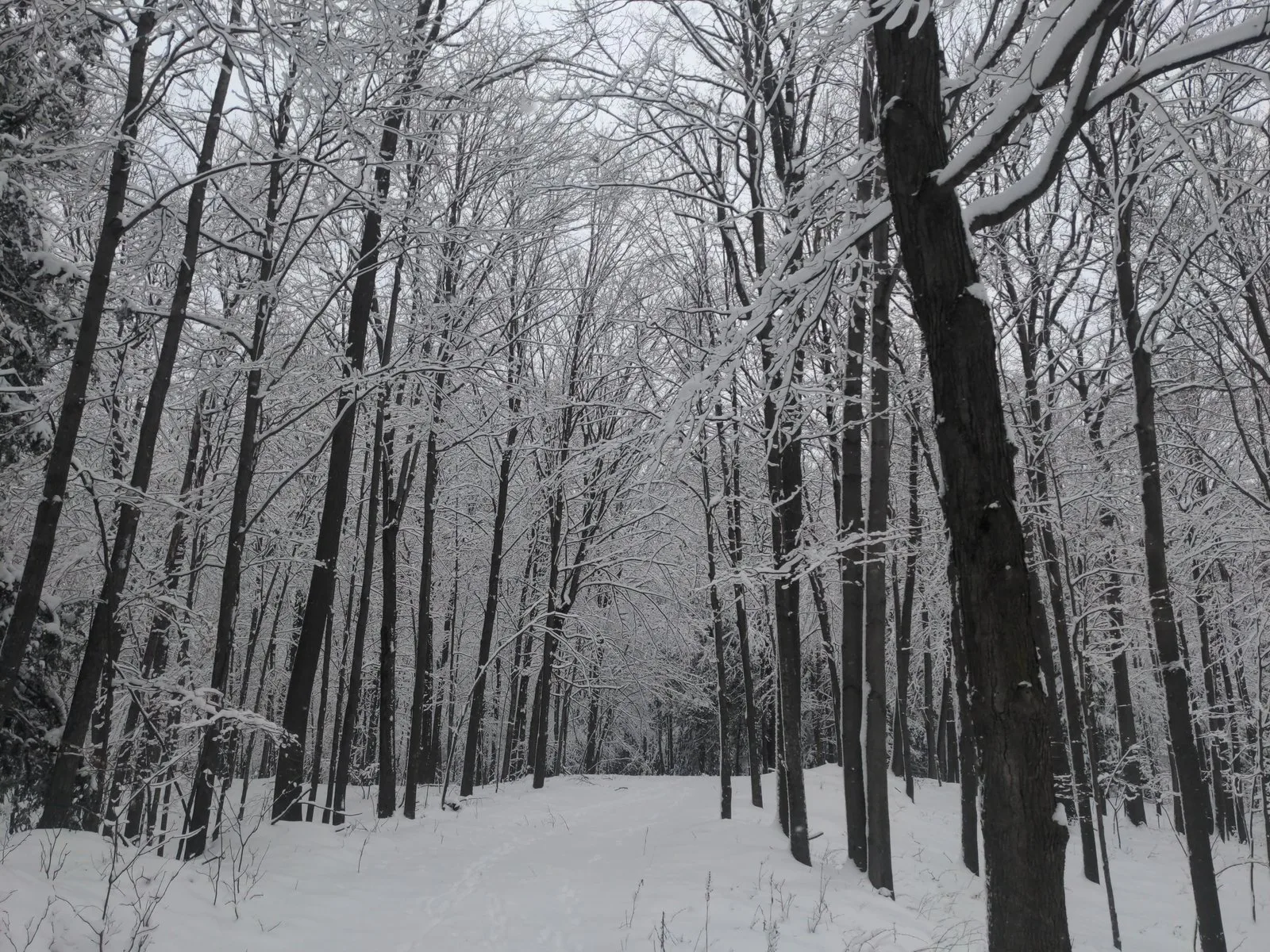
Rain, thunderstorms, and associated conditions like hazy/overcast skies can dramatically influence fishing, often for the better due to factors like barometric pressure changes, reduced light, surface disturbance, and water cooling/runoff. Here’s a breakdown of how fishing typically plays out before, during, and after rain or thunderstorms, based on common angler experiences and patterns (especially relevant for Midwest freshwater spots like Twin Lakes, WI, where bass, walleye, pike, and panfish are common).
Quick Reference: Rain/Thunderstorm Phases and Fishing Quality
| Phase | Barometric Pressure Trend | Typical Fishing Quality | Why It Happens / Key Factors | Tips & Tactics (Freshwater Focus) |
|---|---|---|---|---|
| Before (2–12+ hours ahead, building clouds/wind) | Rapidly falling (e.g., dropping toward <29.9 inHg) | Often the best window | Fish sense the drop (via swim bladder pressure), feed aggressively to “stock up” before the storm. Lower light + approaching front = active/shallow fish. | Target shallows, structure edges. Use aggressive lures: crankbaits, spinnerbaits, topwater. Capitalize on pre-frontal frenzy—many call this prime time. |
| During (light to moderate rain/drizzle; avoid heavy thunder) | Falling or low (often <29.8 inHg) | Good to excellent (if safe) | Rain dims surface glare, breaks up visibility (fish can’t easily spot you/boat), cools water, oxygenates it. Fish move shallower/more active. Heavy downpours can be hot if not lightning. | Fish shallow flats, runoff inflows (baitfish/food washes in). Topwater, noisy lures (frogs, buzzbaits) shine—surface disturbance hides your presentation. Stay shallow; fish roam. |
| Immediately After (hours post-storm, pressure starting to rise) | Rising (from low back toward normal) | Good (recovery bite) | Fish come out of hiding, feed to recover after hunkering down. Runoff brings nutrients/food; water may clear in spots. | Target newly flooded areas, clarity seams (dirty vs. clear water edges). Slower presentations if pressured; switch to jigs, soft plastics, or reaction baits. |
| Days After (bluebird skies, high/steady pressure) | Rising to high (>30.2–30.5+ inHg) | Often slow/poor | “Post-frontal blues”—clear skies, high pressure make fish lethargic, deep, tight to cover. | Finesse tactics: drop-shot, Ned rigs, deep cranks. Target deep structure/schools with electronics. Tough bite overall. |
Hazy/Overcast/Cloudy Conditions (No Direct Rain)
These are generally excellent for fishing, often better than bright sun:
- Reduced light penetration makes fish feel safer → they cruise shallower and feed more actively (less spooky).
- Lower visibility in water → use brighter/noticeable colors (chartreuse, white, black/blue) or noisy/vibrating lures (crankbaits, chatterbaits, spinnerbaits).
- Ideal for all-day action, especially mid-afternoon when sunny days slow down.
- Combine with light wind for ripple (breaks surface glare further).
Hazy/overcast often precedes or follows rain fronts, amplifying the benefits.
Safety Notes (Especially Thunderstorms)
- Lightning is the biggest risk—follow the 30-30 rule: If you see lightning and hear thunder within 30 seconds, get off the water immediately. Wait 30 minutes after the last thunder before returning.
- Avoid being the tallest object (no open water, tall trees, or metal boats as lightning rods).
- Heavy rain/wind can make boating dangerous—prioritize safety over the bite.
- If on shore/stream, crouch low in low spots (not under isolated tall trees), rod down/away.

Post Comment