Feeling the Weight? Rain’s Downpour? Catching Panfish When the Sky is Grey
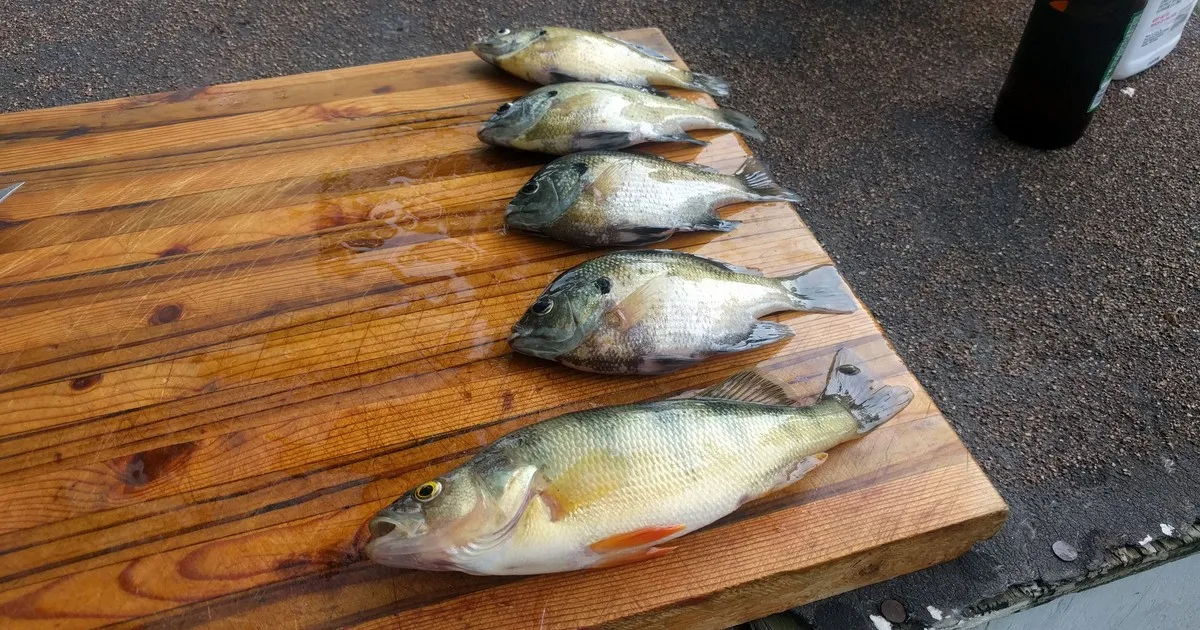
Tired of scratching that bass or trout itch? Sometimes, the best fishing for our favorite panfish – bluegills, redears, sunfish – happens under slightly less-than-ideal atmospheric conditions. You know, that time of year when a cold front is brewing, the barometer drops, and the forecast shows rain. Maybe you’ve noticed you’re catching more fish then, or maybe you’ve just heard the “wisdom” passed down. Let’s break down why these weather patterns might actually be prime time for panfishing!
The Low Pressure Looming Large
Think about it: the term “barometric pressure” refers to the weight of the atmosphere pressing down on us. When a low-pressure system moves in, typically associated with incoming storms, this weight decreases. The air is literally less dense.
For fish, who live their entire lives submerged, changes in pressure can be significant. Many fish, including panfish, are somewhat sensitive to these changes. Lower pressure can make them feel slightly uncomfortable, prompting them to become more active. It’s like how we might feel a bit under the weather ourselves when the pressure drops! This increased activity often translates to feeding frenzies, especially when combined with other factors.
Rain’s Refreshing Effect
Rain isn’t just about the atmospheric pressure drop; it brings a whole other set of changes that benefit panfish.
- Increased Solubility: Rainwater is slightly acidic and can help dissolve gases and nutrients in the water. This can make oxygen levels more readily available, although this is often negligible in still waters. More importantly, it introduces fresh oxygen as the rain washes off the surface film (which can sometimes trap oxygen) and stirs the water slightly.
- Nutrient Influx: Rain washes nutrients and food particles (like insects, pollen, and decomposing plant matter) into the water from the surrounding land. This creates a natural “bait ball” and attracts hungry panfish looking for an easy meal.
- Cloud Cover & Light Diminishment: Often accompanying rain is thick cloud cover. This reduces light penetration into the water, making fish feel more secure. They’re less likely to be spooked by overhead observers and more likely to feed actively in shallower areas than they might on a bright, sunny day.
- Water Temperature: A cold front bringing rain often means cooler water temperatures. Panfish are generally more active in cooler water than in the extreme heat of summer, making them more willing to bite.
Putting it Together: The Winning Combination
The best panfishing often occurs during periods of falling or low barometric pressure combined with rain or the threat of rain. This is frequently just before, during, or just after a cold front passes.
What does this mean for your next trip?
- Focus on shallower areas: Lower light levels and increased confidence make panfish more likely to be caught in the 1-3 foot range where they feed, rather than deep in the main lake or pond.
- Use finesse presentations: Topwater walkers, poppers, and small crankbaits can work well because the reduced light and fish activity make them less cautious. Jigs, small jerkbaits, and live or artificial worms under a slip bobber are classic panfish baits that perform well in these conditions.
- Pay attention to location: Look for structure – weed edges, docks, fallen trees – where the rain-disturbed water might concentrate baitfish and attract panfish.
- Be ready for sudden changes: Conditions can change quickly with weather fronts. If you’re out there and the sky opens up, you might just be in for a feeding frenzy!
So, next time the barometer drops and the rain starts to fall, don’t pack your gear away. Put on your rain gear (or at least a poncho!), grab your favorite panfish tackle, and head to the water. Mother Nature is providing the perfect conditions for a great catch!

Post Comment