Mastering Smallmouth Bass Fishing: Tips for Bronzebacks
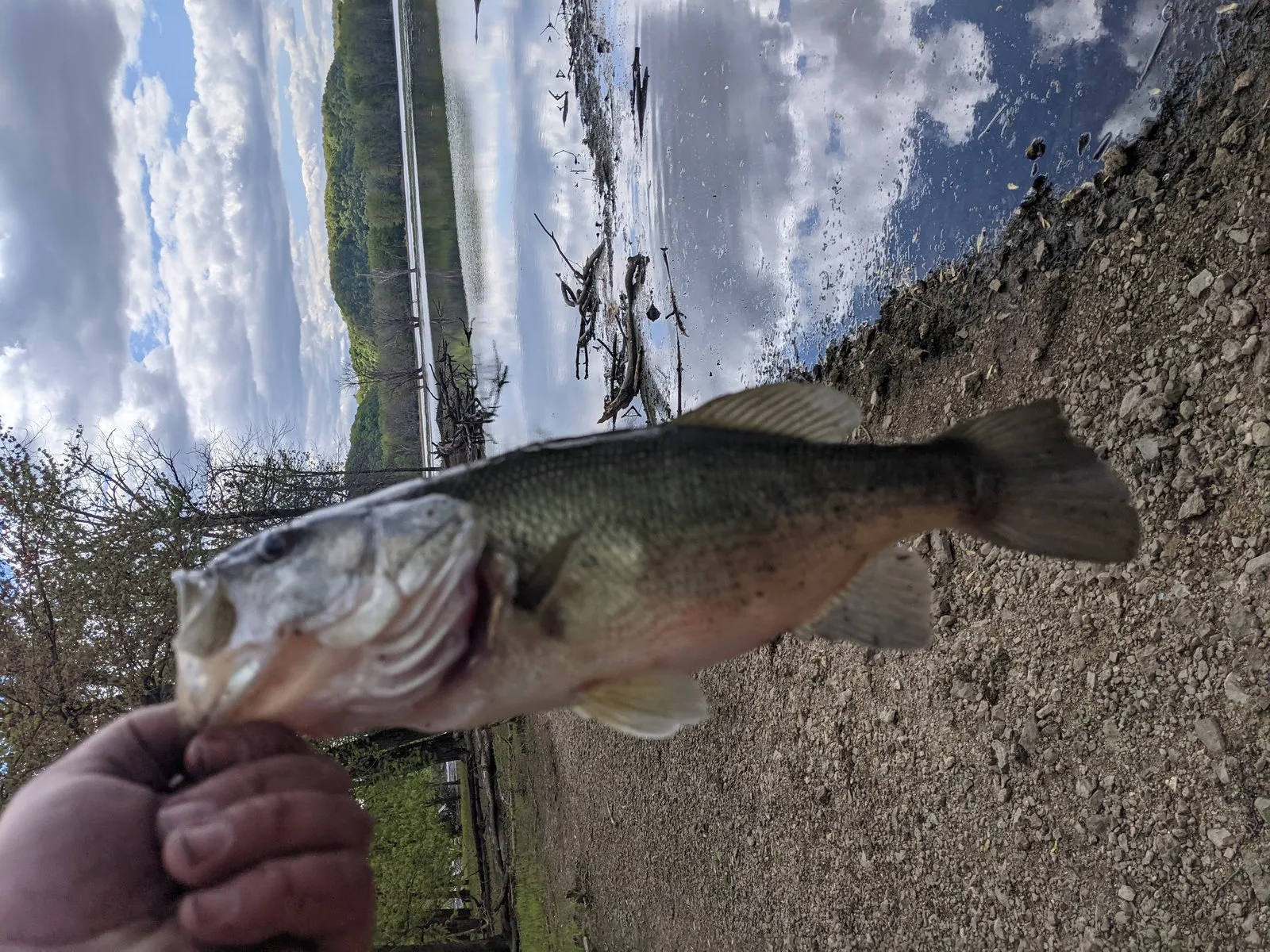
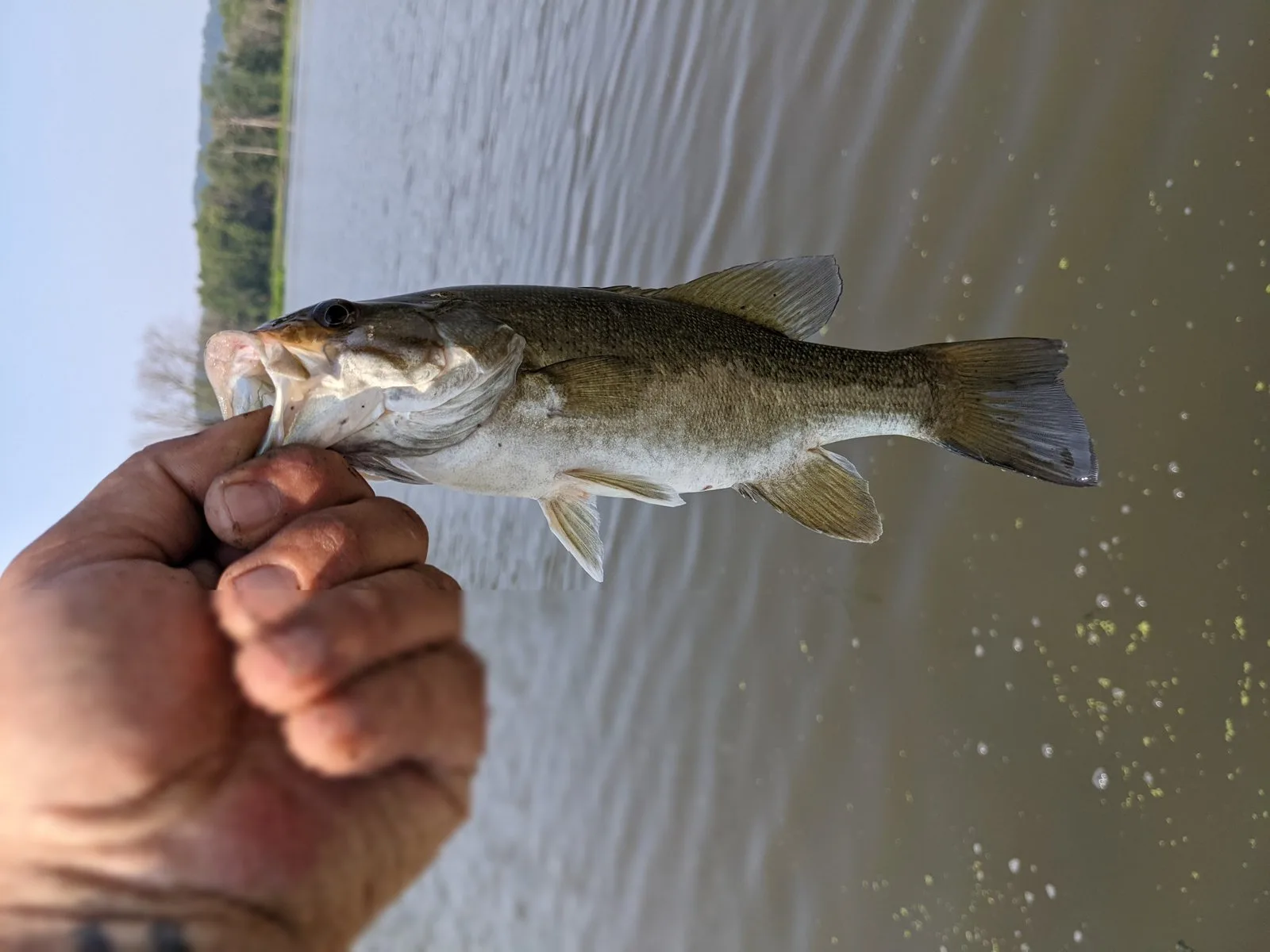
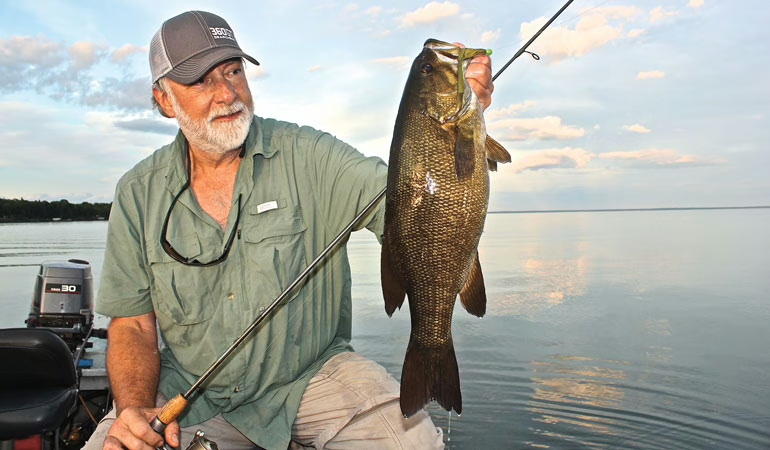
Lip-grip photos work well for bass — support the body and keep the fish wet.
Smallmouth bass, often called “smallies” or bronzebacks, are pound-for-pound one of the hardest-fighting freshwater fish out there. Known for their acrobatic jumps and preference for clear, cool waters, they’re a thrill to catch and a favorite target for anglers chasing quality over quantity. In this guide, we’ll break down the best places to find them, ideal times to fish, weather patterns that trigger bites, pole setups, and top baits/lures. Whether you’re on a river, lake, or reservoir, these tips will help you hook more smallmouth.
Where to Look for Smallmouth Bass
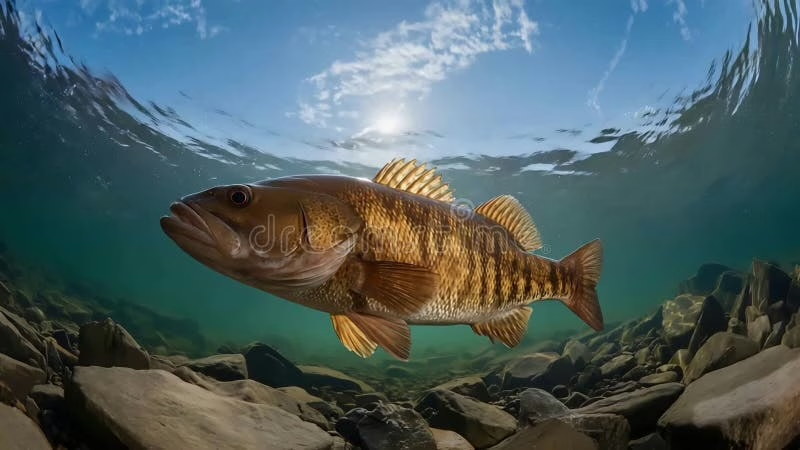
Smallmouth bass thrive in clear, cool, oxygen-rich waters with rocky or gravelly bottoms—unlike largemouth, they avoid heavy vegetation and murky areas. Prime habitats include rocky points, boulder fields, humps, ledges, and drop-offs in lakes and reservoirs. Look for transition zones like rock-to-sand or rock-to-gravel edges, as well as submerged wood, downed trees, or brush piles.
In rivers and streams, target current seams, eddies, deep holes, riffles, and rocky ledges. They love structure with some flow for ambush feeding. In spring, they move shallow near rocks for spawning (around 3-10 feet). Summer pushes them deeper (10-30+ feet) to cooler water, often on offshore humps or points. Fall brings them back shallower to feed aggressively. Lake structure and seasonal patterns play a huge role in locating smallmouth bass.
Focus on areas with crawfish, minnows, or other forage—smallmouth are sight feeders in clear water, so visibility is key.
Best Times of Day and Season to Fish
Smallmouth are most active during low-light periods: dawn and dusk are prime “golden hours” when they move shallower to feed. Early morning topwater action can be explosive, while evening bites often extend into low light.
Midday can produce in cooler seasons or deeper water, especially on sunny days when smallies respond positively to sunlight. Avoid peak summer heat midday unless targeting deep schools.
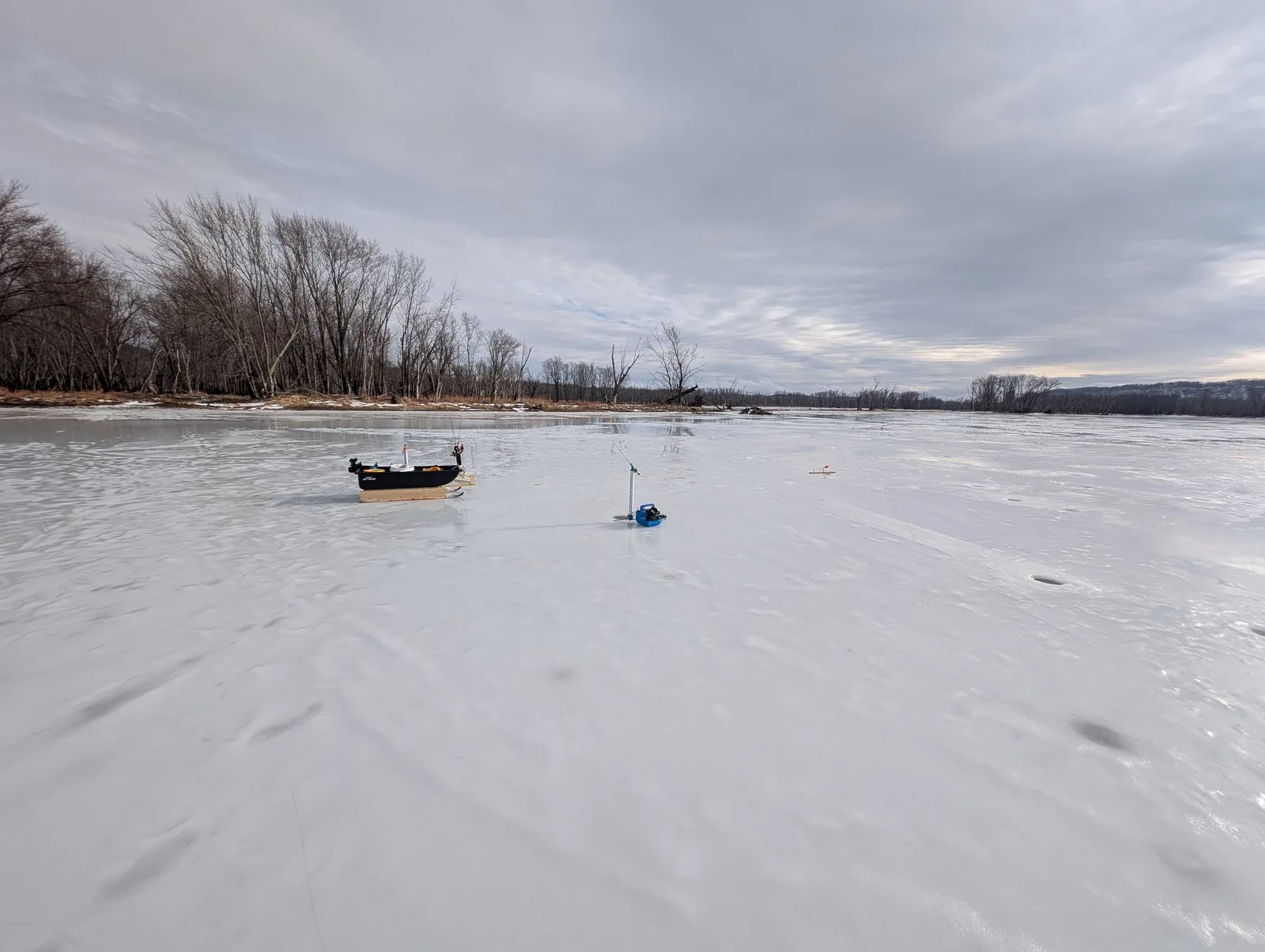
Seasonally, spring (pre-spawn, water 50-60°F) and fall offer the best action—fish feed heavily before/after spawn. Summer (60-75°F+) brings strong bites, especially early/late or at night in hot weather. Winter concentrates them deep in rivers/lakes, but they’re catchable with slow presentations.
Weather Patterns That Boost Your Catch
Smallmouth love stable, sunny conditions—bright days often spark aggressive feeding, especially in spring and summer. Sunlight drives them active in clear water fisheries.
Overcast or cloudy days can extend bites throughout the day, particularly in ultra-clear lakes where fish get spooky under direct sun. Windy conditions stir baitfish and create feeding zones—gentle breezes help disguise your approach.
Pre-frontal (before a front) or post-frontal stability triggers frenzies, while cold fronts can slow bites temporarily but lead to great fishing once things settle. In summer, low-light or windy/overcast days keep them shallower longer. Monitor water temps: 60-75°F is peak activity.
Pole Setups and Gear Essentials
Smallmouth demand sensitive, lightweight gear to detect subtle bites and handle strong fights. Use a medium-light to medium spinning rod (6’6″-7’2″) fast action, paired with a 2500-3000 size reel spooled with 6-10 lb fluorocarbon or braided line (with fluoro leader for abrasion resistance on rocks).
For finesse: lighter setups with drop-shot or Ned rigs. For power fishing: medium rods for tubes, crankbaits, or jigs. Use fluorocarbon for low visibility in clear water—smallies spook easily.
Common rigs include drop-shot (hook 12-18″ above weight), Ned rig (mushroom head), Carolina rig for dragging, or Texas rig for soft plastics. Jigheads from 1/8-1/2 oz cover most depths.
Top Baits and Lures
Smallmouth aren’t as picky as some think, but finesse often wins in clear water.
Natural baits like live crayfish, minnows, or nightcrawlers shine, especially in rivers.
Artificials rule for most anglers:
- Tubes (e.g., green pumpkin or smoke) on jigheads—classic rock crawler.
- Drop-shot with finesse worms (e.g., Berkley MaxScent Flat Worm) or minnow imitations.
- Ned rigs (Z-Man TRD or similar stickbaits) for subtle bottom presentations.
- Paddletails/swimbaits (Keitech, Z-Man) on jigheads for searching.
- Jerkbaits, crankbaits (crawfish patterns), or spy baits for suspending fish.
- Topwater (poppers, walking baits) at dawn/dusk for explosive strikes.
Tip lures with scent for tough bites. Colors: natural greens, browns, smokes for clear water; brighter in stained.
Final Thoughts
Smallmouth bass fishing rewards observation, adaptability, and light tackle finesse. Scout structure, time your trips for low light or sunny stability, and match your presentation to conditions—you’ll be battling those bronze warriors in no time. Always check local regs, handle fish carefully for release, and enjoy the fight. Tight lines!

3 comments