How to Clean Your Boat Hull
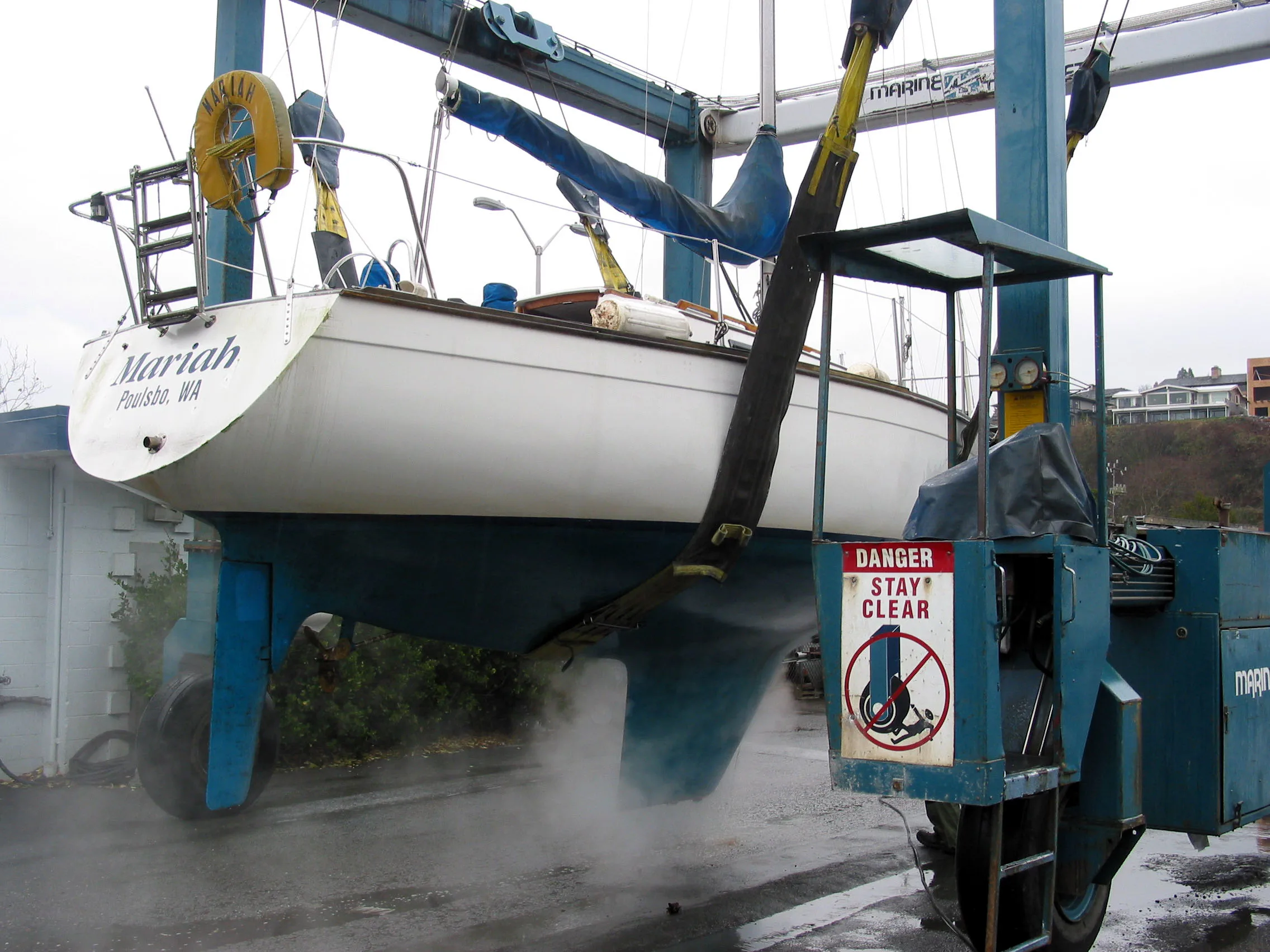
Fishing gear and boats take a beating on the water — regular cleaning keeps everything performing well.
This post contains affiliate links. As an Amazon Associate, Drowning Fish Rescue earns from qualifying purchases.
How to Clean Your Boat with Muriatic Acid
Cleaning your boat regularly is essential to maintain its appearance and protect it from corrosion, algae, and barnacle buildup. Muriatic acid, a diluted form of hydrochloric acid, is a powerful cleaning agent that can effectively remove tough stains, rust, and marine growth from your boat’s hull and other surfaces. However, it’s a strong chemical that requires careful handling. This guide will walk you through the steps to safely and effectively clean your boat using muriatic acid.
What You’ll Need
- Muriatic acid (available at hardware stores)
- Protective gear (rubber gloves, safety goggles, and a mask)
- A plastic bucket
- A soft-bristle brush or sponge
- Baking soda (for neutralizing acid)
- Water hose with a spray nozzle
- Measuring cup
- A well-ventilated outdoor area
- Boat soap or mild detergent
- Clean rags or towels
Start with Soap, Not Acid
Most dirt, scum lines, and fish slime come off with boat soap, a soft brush, and plenty of fresh water. Save diluted muriatic acid for stubborn stains that soap will not move, such as waterline scum, rust, or mineral staining, and use the least aggressive cleaner that gets the job done. Cleaners made specifically for gelcoat are a milder option to try first.
Know Your Hull Before You Use Acid
- Fiberglass / gelcoat: this is the hull type the steps below are written for. Always spot-test, and never let the solution dry on the surface — acid left too long can dull gelcoat.
- Aluminum: do not use muriatic acid. Hydrochloric acid attacks aluminum and can corrode or pit it. Use a cleaner labeled safe for aluminum boats instead.
- Painted or bottom-painted hulls, decals, and trim: acid can strip paint and damage finishes. Check the manufacturer’s care instructions first.
- When in doubt: follow your boat and motor manufacturer’s cleaning guidance over any general how-to, including this one.
Step-by-Step Guide to boat cleaning with Muriatic Acid
Step 1: Prepare Your Work Area
Work in a well-ventilated outdoor area to avoid inhaling fumes. Ensure your boat is on a trailer or in a dry dock, and remove any items like cushions or equipment that could be damaged by the acid. Lay down tarps to protect the ground if necessary.
Step 2: Wear Protective Gear
Muriatic acid is highly corrosive and can cause severe burns or respiratory irritation. Always wear rubber gloves, safety goggles, and a mask. Consider wearing long sleeves and pants to protect your skin.
Step 3: Dilute the Muriatic Acid
Never use muriatic acid at full strength. Mix it with water in a plastic bucket, following a 1:10 ratio (one part acid to ten parts water). Always add the acid to the water, not the other way around, to prevent dangerous splashing. Stir gently with a plastic or wooden stick.
Step 4: Test on a Small Area
Before applying the solution to the entire boat, test it on a small, inconspicuous area to ensure it doesn’t damage the boat’s finish or gelcoat. Wait a few minutes and check for any adverse reactions.
Step 5: Apply the Solution
Using a soft-bristle brush or sponge, apply the diluted muriatic acid to the stained or dirty areas of the boat, such as the hull, propeller, or metal fittings. Work in small sections to ensure even cleaning. Focus on areas with rust, algae, or barnacle buildup.
Step 6: Let It Sit
Allow the solution to sit for 1–2 minutes, but don’t let it dry on the surface. Muriatic acid works quickly, so monitor the cleaning progress closely to avoid overexposure.
Step 7: Rinse Thoroughly
Rinse the treated area thoroughly with a water hose to remove all traces of the acid. Use a high-pressure nozzle if available to ensure a thorough rinse.
Step 8: Neutralize the Acid
Mix a solution of baking soda and water (about 1 cup of baking soda per gallon of water) and apply it to the cleaned areas to neutralize any remaining acid. This step is crucial to prevent corrosion or damage to the boat’s surface. Rinse again with clean water after neutralizing.
Step 9: Clean with Boat Soap
After neutralizing, wash the entire boat with a mild boat soap or detergent to remove any residual acid or debris. Use a soft sponge or brush to avoid scratching the surface.
Step 10: Dry and Inspect
Dry the boat with clean rags or towels to prevent water spots. Inspect the cleaned areas to ensure all stains or growths are removed. If necessary, repeat the process for stubborn spots, but limit acid exposure to avoid damage.
Safety Tips
- Work in a well-ventilated area: Fumes from muriatic acid can be harmful if inhaled.
- Follow proper dilution procedures: Always add acid to water, not water to acid.
- Neutralize thoroughly: Failing to neutralize can lead to long-term damage to your boat’s surface.
- Dispose of waste properly: Neutralized muriatic acid solution should be disposed of according to local regulations, as it may still contain harmful residues.
- Store safely: Keep muriatic acid in a tightly sealed container in a cool, dry place away from children and pets.
Keep Runoff Out of the Water
Do acid cleaning on land, with the boat on its trailer, well away from the shoreline and storm drains. Neutralize before the final rinse so you are not washing active acid onto the ground, and dispose of leftover solution according to local rules.
Clean, Drain, Dry: Wisconsin Invasive Species Rules
A hull cleaning is also a good time to check for hitchhikers. Wisconsin law requires boaters and anglers to:
- Inspect boats, trailers, and equipment.
- Remove any attached aquatic plants or animals before launching, after loading, and before transporting on a public highway.
- Drain all water from boats, motors, and all equipment, including livewells, bilges, and bait buckets.
- Never move live fish away from a waterbody.
- Dispose of unwanted bait in the trash.
There are limited exceptions for minnows bought from a Wisconsin bait dealer. See the Wisconsin DNR’s boat transportation and bait laws and invasive species prevention pages for the full rules. Trailer bunks, the transom, and the motor’s lower unit are easy places for plant fragments and zebra mussels to hide.
Boat Hull Cleaning FAQ
Can I use muriatic acid on an aluminum boat?
No. Muriatic (hydrochloric) acid attacks aluminum. Use a cleaner made for aluminum hulls.
Do I need acid to clean my boat hull?
Usually not. Start with boat soap and a soft brush. Acid is for stubborn stains on fiberglass or gelcoat that soap will not remove.
What should I do before moving my boat to another lake in Wisconsin?
Inspect, remove attached plants and animals, and drain all water from the boat, motor, livewells, and equipment, as Wisconsin law requires. Never move live fish away from the waterbody.
By following these steps, you can restore your boat’s shine and keep it in top condition. Always prioritize safety when handling muriatic acid to protect yourself and your boat.

Post Comment